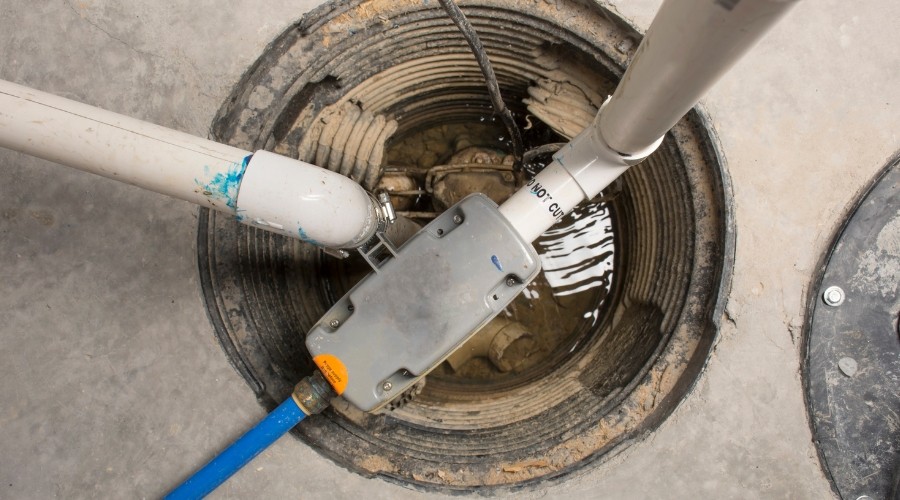
Working Sump Pumps Protect Homes From Flooding and Water Damage
As snow melts and spring storms roll through, basements and crawlspaces face a higher risk of unwanted water. A reliable sump pump acts as a first line of defense, collecting groundwater and directing it safely away from the foundation. When sized and maintained correctly, this small appliance can prevent costly water damage, protect stored belongings, and help keep indoor air healthier by reducing damp conditions. This guide reviews the basic benefits of a sump pump, practical steps for checking performance before heavy rain arrives, and reasons many homes add a secondary sump pump backup or sump pump battery backup for extra peace of mind.
Sump Pumps and Their Benefits Explained
 A sump pump sits inside a pit, or “sump basin,” at the lowest point of a basement or crawlspace. As groundwater or minor leaks seep into the pit, a float switch eventually activates the pump, which pushes water through a discharge pipe to the exterior. Proper sump pump installation lowers the chance that water levels reach finished flooring, stored furniture, or mechanical equipment. By moving excess moisture out quickly, a working pump helps avoid structural damage, ruined insulation, and expensive remediation bills. Dry conditions also discourage mold growth, which can affect air quality and create potential health concerns for sensitive individuals.
How to Make Sure a Sump Pump Works Correctly
 Regular sump pump maintenance is essential, especially heading into wetter months. Homeowners can start with simple visual checks: ensure the pit is free of debris, and remove mud, gravel, or loose plastic that might obstruct the intake. Slowly pour water into the sump basin until the float rises; the pump should switch on, clear the water, and then shut off. If the unit fails to start, runs loudly, or does not empty the pit, a professional inspection is recommended. Annual service allows a plumber to clean components, examine the discharge line, and verify that check valves and electrical connections are in good condition. Routine attention reduces the odds of sudden failure during a severe storm.
Why a Sump Pump Backup May Be Needed
Even a well‑maintained primary pump can be overwhelmed or disabled under certain conditions. Power outages during thunderstorms, mechanical breakdowns, or simply an unusually high influx of groundwater can leave a single unit unable to keep up. Installing a backup sump pump provides a second layer of defense. Some systems use a completely separate pump connected to a different circuit, while others rely on a sump pump battery backup that operates when main power is unavailable. A carefully designed sump pump backup system can take over if the primary pump fails or assist when water levels rise quickly. For properties with finished basements, valuable storage, or past flooding incidents, a backup sump pump often represents a relatively small investment compared with the potential cost of extensive water damage.
About Bud’s Plumbing & Repair Service
Bud’s Plumbing & Repair Service is a plumbing contractor trusted throughout Evansville and the surrounding communities. With expert service from trusted technicians, use of the latest technology, and partnering with top-rated brands, Bud’s Plumbing & Repair Service guarantees customer satisfaction. Call them today for sump pump installation in Evansville, IN.
)
Distribution Links +
- https://go.chinesewire.com
- https://smb.bogalusadailynews.com
- https://smb.magnoliastatelive.com
- https://smb.orangeleader.com
- https://smb.panews.com
- https://smb.panolian.com
- https://smb.amnews.com
- https://smb.americanpress.com
- https://smb.dailyleader.com
- https://smb.oxfordeagle.com
- https://smb.bluegrasslive.com
- https://smb.claiborneprogress.net
- https://smb.elizabethton.com
- https://smb.kenbridgevictoriadispatch.com
- https://smb.thesnaponline.com
- https://smb.clemmonscourier.net
- https://smb.ourdavie.com
- https://smb.state-journal.com
- https://smb.thecharlottegazette.com
- https://smb.theinteriorjournal.com
- https://smb.tryondailybulletin.com
- https://smb.winchestersun.com
- https://smb.salisburypost.com
- https://smb.cordeledispatch.com
- https://smb.middlesboronews.com
- https://smb.thepostsearchlight.com
- https://pr.washingtoncitypaper.com
- https://smb.prentissheadlight.com
- https://pr.hattiesburg.com
- https://pr.thembnews.com
- https://pr.boreal.org
- https://pr.timesofsandiego.com
- https://pr.wncbusiness.com
- https://pr.ashlandtownnews.com
- https://pr.millismedwaynews.com
- https://pr.franklintownnews.com
- https://pr.naticktownnews.com
- https://pr.rivertonjournal.com
- https://pr.herrimanjournal.com
- https://pr.holladayjournal.com
- https://pr.wvcjournal.com
- https://pr.southjordanjournal.com
- https://pr.cottonwoodheightsjournal.com