Time for an Upgrade? Signs a Water Heater Needs Replacement

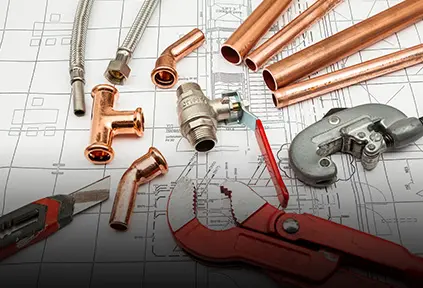
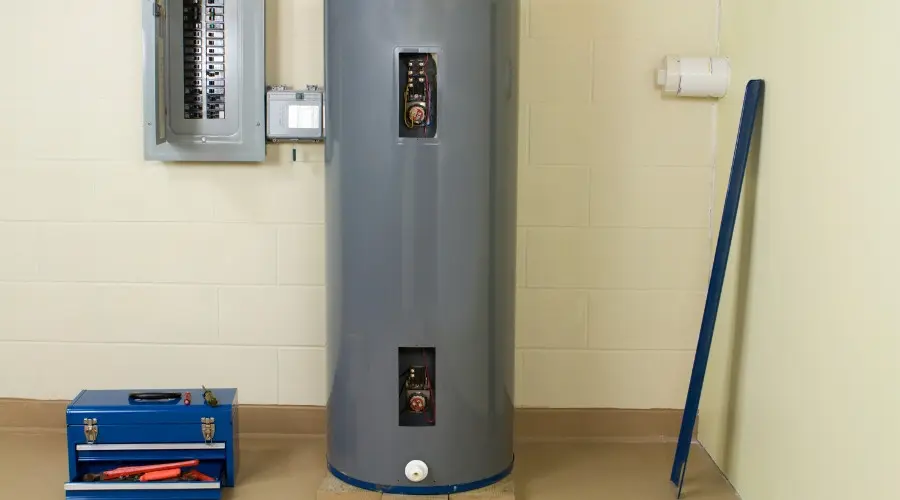
Water heater in a utility room with electrical panel, tools, and maintenance items, illustrating plumbing services related to hot water issues and replacement guidance.

Don't Get Stuck Without Hot Water This Winter

Hot water plays a role in bathing, cleaning, laundry, and many daily tasks, so a failing water heater can cause major inconvenience. Deciding when repair is enough and when a full water heater replacement is smarter helps avoid cold showers and water damage. This overview covers temperature problems, leaks or corrosion, and age or repair patterns that often mean a new unit is the best choice.

Temperature Issues

Water temperature changes usually appear before other warning signs. Inconsistent or uneven hot water, where taps suddenly shift from hot to lukewarm, often points to worn thermostats, failing heating elements, or heavy sediment inside the tank. A complete loss of hot water almost always signals a serious internal fault that will not clear on its own.

Another clue is running out of hot water much faster than in the past, even with the same routine. Loss of capacity can result from mineral buildup that reduces usable tank volume or from one element no longer operating. When a system delivers unreliable temperatures, no hot water, or very short hot‑water runs, planning for water heater replacement is usually more practical than investing in repeated minor repairs.

Leaks or Corrosion
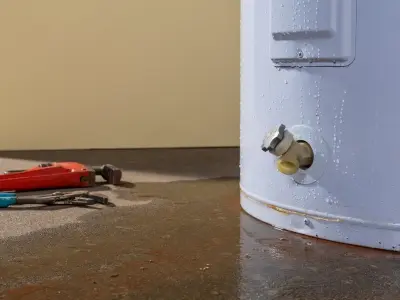
water heater Visible damage around the tank strongly suggests the unit is nearing the end of its life. Water heater corrosion may show up as rust streaks, flaking metal, blistered paint, or damp insulation. At fixtures, discolored or rust‑tinted hot water, or water with a metallic odor, can also indicate a corroded water heater.

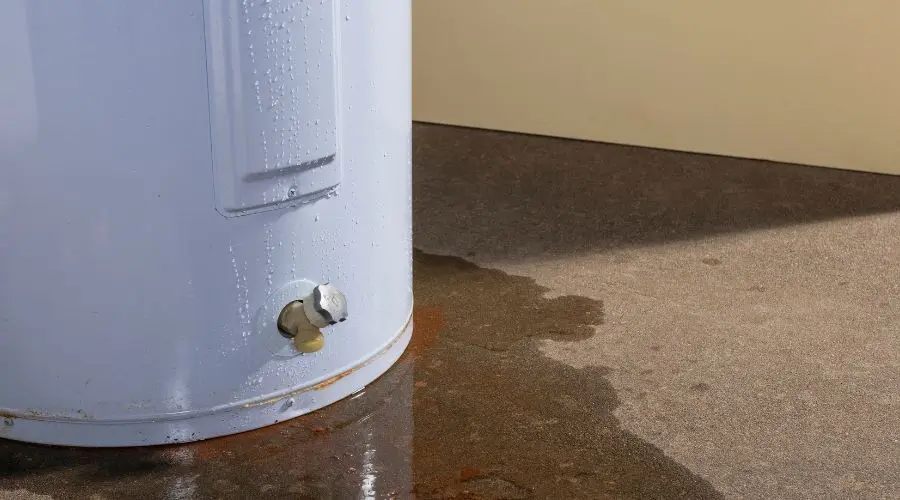
Once corrosion eats through the inner lining, a water heater leak often develops. A leaking water heater may leave small puddles under the tank, stained flooring, or moisture on nearby walls. Because internal rust continues to spread, patching a corroded tank rarely provides a lasting fix. Replacing a severely corroded or leaking unit promptly helps prevent structural damage, mold growth, and ruined possessions.

Old Age or Frequent Repairs
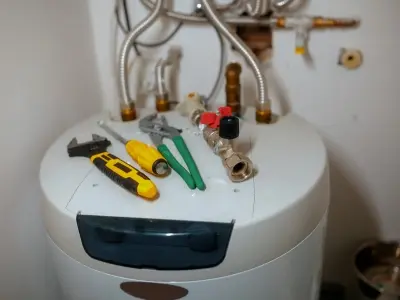
Water heater with tools including pliers, adjustable wrench, and screwdriver, indicating maintenance or repair needs related to aging or frequent repairs.Traditional storage water heaters have a limited service life. When a standard tank reaches ten years or more, internal components wear down, efficiency drops, and new issues tend to appear more often. Rumbling or popping sounds, cloudy hot water, and persistent pilot or ignition problems are common on aging systems.

Frequent repairs are another strong indicator that replacement is the better long‑term strategy. If breakdowns have become routine, or if a single repair approaches the cost of a new heater, upgrading to modern water heater installation often saves money and frustration over time. A timely water heater replacement allows better sizing for present needs and delivers more dependable water heating day after day.

About Bud’s Plumbing & Repair Service

The helpful technicians at Bud’s Plumbing & Repair Service offer clear communication and hassle-free scheduling for all plumbing needs in Evansville and the surrounding areas. With 24-hour service and cost-effective solutions, customer satisfaction is guaranteed. Call them today for reliable water heater installation and repair in Evansville, IN.

A Guide to Water Heater Repair and When Replacing the Water Heater May Be Needed

Water heater with visible leakage and water pooling on the floor, indicating potential repair needs for plumbing issues.

Important Basics to Know About Water Heater Repair and Problems

This guide provides signs that a water heater needs service, allowing homeowners to call a plumber and prevent cold showers and rising energy bills. Understanding when water heater repair is necessary and when replacement may be required instead helps the household maintain a reliable supply of hot water.

Signs Water Heater Repair Is Needed

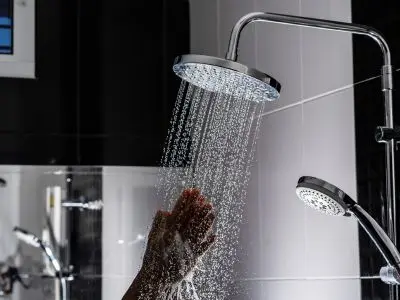
Hand reaching out under a modern showerhead with flowing water, illustrating the importance of consistent hot water supply in relation to water heater repair signs.Water heaters typically show early warning signs before a complete breakdown occurs. Recognizing these signs can prevent costly emergency replacements. A noticeable decline in hot water duration or inconsistent temperature often points to sediment buildup or thermostat failure. These issues typically appear gradually and worsen over time.

Unusual noises such as popping, rumbling, or crackling may indicate mineral deposits inside the tank. Banging sounds often come from loose internal components, signaling the need for inspection. Any pooling water near the base of the unit suggests leaks that require immediate professional attention. Sudden increases in energy bills or water discoloration with a metallic taste also signal problems. If any signs of problems are noticed, a plumber should be called for repair.

Common Water Heater Issues

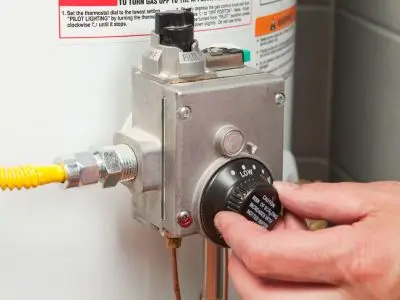
Hand adjusting the thermostat on a gas water heater, highlighting common maintenance issues related to temperature fluctuations and energy efficiency.Several mechanical problems often lead to hot water interruptions. One common issue involves a faulty thermocouple, which affects the pilot light’s ability to stay lit. If the pilot assembly or thermocouple becomes damaged, the unit may need relighting repeatedly, indicating the need for service.

Temperature fluctuations often stem from failed thermostats or malfunctioning heating elements. These parts directly affect water temperature and overall efficiency. Another issue involves sediment buildup, especially in homes with hard water. Accumulated minerals affect performance, create noise, and increase energy usage.

When Is Replacement Needed Rather Than Repair?

In many cases, replacement proves more cost-effective than continued repairs. When repair expenses exceed half the price of a new unit, a full replacement may be the recommended option. Water heaters older than 8 to 12 years typically reach the end of their serviceable life. At that stage, continued investment in repairs rarely provides long-term value.

Visible rust or corrosion on the tank often signals structural damage that cannot be reversed. Water discoloration from internal corrosion suggests widespread deterioration, reducing both safety and performance. Units requiring frequent service also indicate multiple component failures. Replacing the system avoids further disruption and restores reliable operation, particularly in regions with extreme seasonal temperatures.

Call Bud’s Plumbing & Repair Service

Bud’s Plumbing & Repair Service is a trusted plumbing service company serving Evansville, IN, and beyond. They offer accurate diagnoses, honest second opinions, and cost-effective solutions. Contact them for water heater repair and installation in Evansville, IN.

How to Choose the Right Water Heater

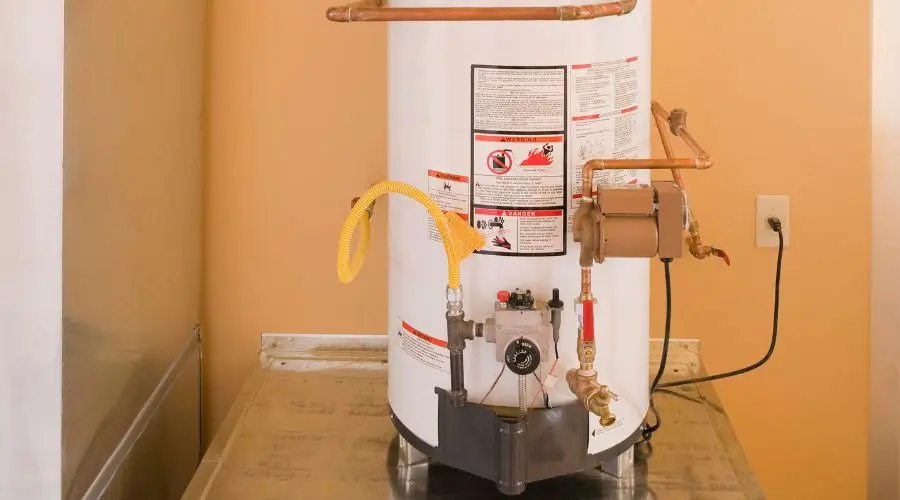
Water heater with safety labels, copper pipes, and gas line for plumbing maintenance at Bud's Plumbing & Repair Service.

Gas or Electric, Tank or Tankless — Which Water Heater is Right?

There are many different kinds of water heaters available on the market now. With tankless water heaters rising in efficiency and popularity, even the decision to go tankless deserves consideration. Beyond that, there are other considerations, such as the heat source: electric or gas. This article will cover these considerations. Read on to find out what kind of water heater is best!

Most Common: Gas Water Heaters

water heater The first is the most common type of water heater used today: storage tank water heaters that use natural gas as fuel. Natural gas is widely available at a relatively low cost, plus these units heat the water quicker than electric storage tank heaters (more on those later). 

Gas water heaters are very simple units that are easy to maintain. Although they usually need more maintenance than their electric counterparts, the drawbacks are few but can be significant. 

Since gas water heaters use gas, there’s always a chance of a gas leak, meaning ventilation is very important. They also don’t last as long as their electric counterparts. Some older gas water heaters will still work during a power outage, but most modern models need electricity to run. If the home is already set up for a gas water heater, replacing it with a similar model is probably the best option. 

Safest: Electric Water Heaters

Electric storage tank water heaters also have their pros and cons. In the pros column, they are cheaper to purchase (lower upfront costs), and there’s no risk of a gas leak with an electric unit. As mentioned above, they have a slightly longer lifespan than gas models. 

However, they are ‌slower to heat the entire tank, although once it’s heated, electric units maintain the heat just fine — so long as they have power. In some places, electricity is slightly more expensive than gas, so running an electric heater may cost more than a gas one. 

There’s little to no heat loss (unlike gas units), so the difference may be minimal, depending on several variables.

Longest Lasting: Tankless Water Heaters

water heater A tankless water heater is the way to go for an even longer-lasting option (although more costly up-front). Instead of constantly maintaining hot water in a large tank, these highly efficient units heat the water when the tap is turned on. 

Since they heat the water quickly, they can deliver it at about the same time as a traditional water heater. However, depending on the type of heater (gas or electric), the flow rate of hot water could be lower than with a tank heater. Since they can deliver hot water as needed, the household need not worry about running out.

Both tank and tankless water heaters require maintenance for optimal and continuous operation, but tankless water heaters are the clear winner in terms of lifespan. 

Tankless water heaters can last up to 20 years, whereas traditional storage tank water heaters usually don’t last past 15. The upfront cost of tankless water heater installation is usually offset by its increased efficiency and longer lifespan. 

But, as always, it’s a good idea to talk to a professional plumber about water heater installation before making a final decision!

About Bud’s Plumbing & Repair Service

Bud’s Plumbing & Repair Service has proudly served Evansville, IN, for over a century. Established in 1920, Bud’s has built a reputation for fast, quality service that is done right the first time. They provide cost-effective solutions and full transparency throughout the service. Contact them for water heater services in Evansville, IN.  

Three Telltale Signs It's Time for Water Heater Replacement

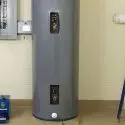
Gray cylindrical water heater in a utility room with control panel, connected pipes, and a blue utility cart nearby.

Water Heater Repair or Replacement? How To Tell Which Is Needed

Since most homeowners aren’t professional plumbers, it can be hard for them to tell whether their water heater needs repair or if it’s time to replace the entire unit. This can be tricky because water heater replacement isn’t exactly cheap. But at a certain point, paying for repeated repairs costs more money than water heater replacement. Luckily, certain telltale signs can help homeowners determine when they should consider replacing the water heater instead of repairing it. Read on to learn about these three signs and how they can affect the home’s water heater!

There Are Signs of Corrosion

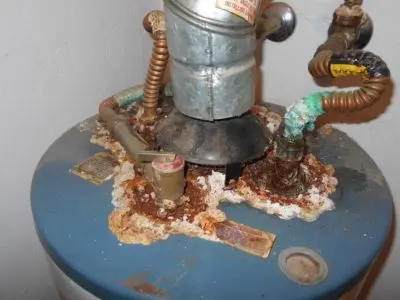
Corroded water heater tank showing significant rust and mineral buildup around connections, indicating potential need for replacement.Corrosion is one of the most common reasons for water heater replacement. Although storage tank water heaters feature an anode rod designed to prevent the tank itself from rusting, there often comes a time when the anode rod just doesn’t cut it anymore. Of course, not replacing the anode rod (part of regular water heater maintenance) can speed up this corrosion process. Unfortunately, when the water heater tank starts to rust, it’s about time for a water heater replacement. 

However, most corrosion in tank water heaters happens on the inside first. If there’s corrosion visible on the outside, it’s a safe bet that the inside looks a lot worse. So, how can homeowners tell if the inside of the tank is rusting? The hot water tells the tale. The tank is most likely corroding if the hot water (and ONLY the hot water) has a brown or rusty tint. If both the hot and cold water are discolored, it could be an issue with the home’s plumbing. Likewise, if the hot water has a metallic smell, it’s a sign that the tank is rusting, and it’s time for a new water heater installation. 

The Unit Stops Heating Water

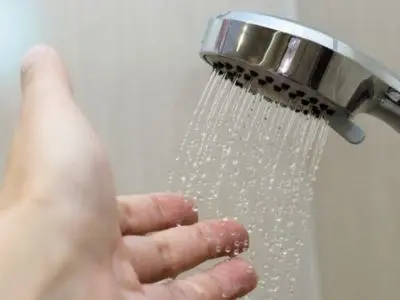
Hand reaching towards a showerhead with water droplets, illustrating issues with hot water supply related to water heater malfunction.A lack of hot water is the most obvious sign that the water heater is malfunctioning. After all, that’s the appliance’s only job. But this can come in many forms. If it takes longer than normal to get hot water, or the faucet needs to be cranked up to get it warm, then it’s a sign that the water heater might be failing. The same can be said if the hot water runs cold quicker than usual. 

Sometimes, these issues can be attributed to a faulty thermostat, but the more likely cause is a failing water heater. Getting a professional plumber to look at the unit can help homeowners determine whether they need water heater repair or replacement. 

Frequent Repairs and the Water Heater’s Age

Like any other appliance, a water heater is only good for a finite time. Most tank water heaters last anywhere from 10 to 15 years. So, one way to determine if it’s time for a new water heater is to consider its age. However, if an old unit (over ten years old) seems to be working fine, there’s probably no need to replace it. If the unit is old and has frequent problems that require repairs, replacing the water heater before repairs get so costly they exceed the price of a new water heater installation. 

Newer and more efficient tankless water heaters last longer than their storage tank counterparts, lasting between 15 and 20 years. Homeowners looking for a new water heater should consult a professional plumbing company to see which type is right for them!

About Bud’s Plumbing & Repair Service

Bud’s Plumbing & Repair Service has proudly served Evansville, IN, for over 100 years! They offer upfront, no-surprises pricing, excellent workmanship, and honest recommendations. They also provide a 100% satisfaction guarantee. Contact them today for water heater replacement in Evansville, IN.

Warning Signs of a Broken Water Heater

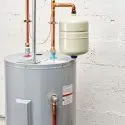
Gray water heater and white expansion tank with copper piping for plumbing by Bud's Plumbing.

Signs of a Faulty Water Heater 

  • Noisy water heater
  • The water heater is 10+ years old
  • Spike in utility bills 
  • Inconsistent water temperature
  • Rusty brown water
  • Smelly hot water 

The water heater is one of the most important pieces of plumbing hardware in the home. A faulty water heater can make it difficult to complete daily tasks like bathing and cleaning. No water heater can last forever. After around 10 to 15 years, they usually show signs of needing repair or replacement. 

A new water heater can save homeowners money on frequent repairs and skyrocketing utility bills. New water heaters provide more efficient performance, larger water capacity, and are longer-lasting. 

Homeowners who are tired of never having enough hot water or are experiencing the signs of a faulty water heater should contact a professional for help. A faulty water heater can be a hazard to homeowners. The high temperatures and gallons of water contained within the water heater tank could cause extensive home damage or personal injury if it breaks. 

Noisy Water HeaterMan covering his ears with a pillow, showing frustration from loud noises, symbolizing issues related to noisy water heaters.

One of the first signs homeowners may notice of a hot water heater needing repair is strange noises coming from the water tank. A hissing or screeching sound could indicate a leak or a broken valve. The most common noise homeowners report to their local plumbers is a rumbling sound inside the tank. 

A rumbling water heater tank usually means a buildup of sediment in the tank. Sediment in water tanks comes from the natural minerals found in water. Minerals like calcium and magnesium are found in drinking water and are safe for consumption. During the heating process, these minerals separate into solid sediment. 

During professional water heater maintenance, the plumber empties the water heater tank and flushes out the sediment. This needs to be done once or twice a year to keep the water heater running in optimal condition. Too much sediment in the tank can eventually lead to corrosion, leaks, and system failure. 

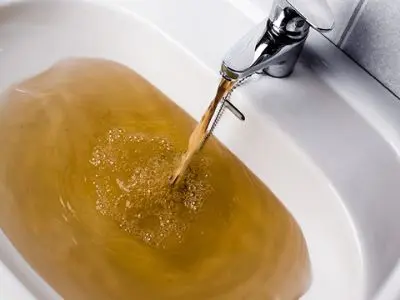
Discolored water flowing from a faucet into a sink, illustrating brown and rusty water issues caused by sediment buildup and corrosion in water heater tanks.Brown and Stinky Water

As the slurry of mineral sediments wears against the inside of the tank, the metal gives way to corrosion. Combined with water, the damaged metal begins to form rust. Flushing the tank helps to prevent problems with corrosion from occurring. 

The rust from a corroded metal water tank is why hot water turns reddish-brown. Water from a faulty water heater may also have a foul smell from minerals in the water. Brown and stinky water are signs of a serious problem with the water heater. 

Rust on the inside of the water tank can lead to further corrosion of the important parts of the water heater. Eventually, rust and corrosion will lead to a complete system breakdown. An anode rod is an important part of the water heater designed to prevent corrosion effects. 

The anode rod attracts corrosive materials to keep them from damaging the water heater. The anode rod needs to be replaced every 3-5 years. An old or faulty anode rod could lead to rust and corrosion in the water tank. 

Leaking Water Heater Tank

A leaking water heater tank is a serious problem that needs immediate attention from a professional water heater technician. Once a water heater tank starts leaking, the corrosion is usually beyond repair. It can be hazardous to leave a leaky water heater in a state of disrepair because it could cause extensive water damage or start an electrical fire. 

A leak is not always a death sentence for water heaters. Some leaks can be simple to repair for a professional. However, getting to the leak early on is important before it becomes a bigger issue. Catching the problem early on can help homeowners complete repairs before a water heater failure occurs.

Replacing the water heater can be a good thing for the home value. It provides the home with more hot water, faster. The efficiency of new water heaters also makes them better for the environment, with fewer carbon emissions and lower utility bills. New tankless water heaters only heat the amount of water needed for each task.

About Bud's Plumbing & Repair Service

Bud's Plumbing & Repair Service is a local plumbing company that homeowners can count on for all their water heater repair, maintenance, and installation needs. Homeowners can depend on Bud's Plumbing & Repair Service team for award-winning customer service and up-front pricing. Give them a call today for water heater replacement in Evansville, IN!