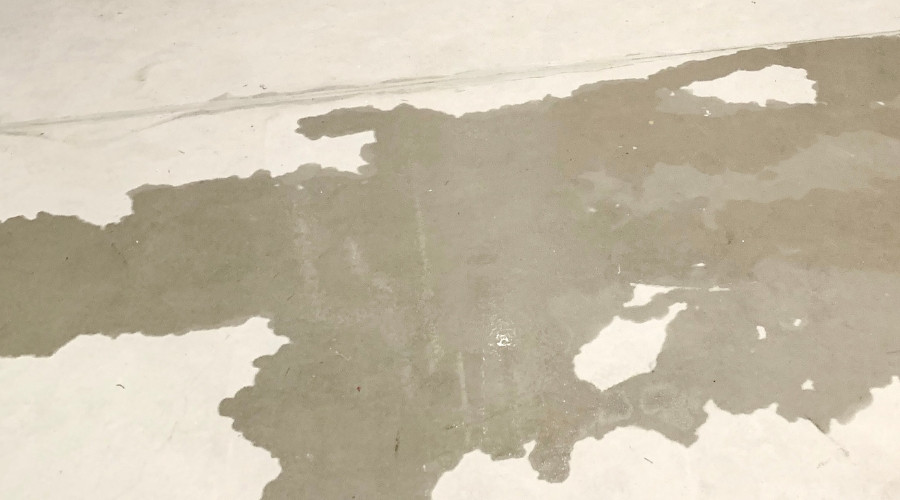
Slab Leak Basics Explained
Suspected slab leaks beneath a foundation can feel overwhelming. These hidden failures often lead to gradual water damage, undermine structural stability, and inflate the water bill without obvious clues. The information below highlights early warning signs, how slab leak detection helps confirm the source, and practical options for slab leak repair to protect the property and budget.
What Are Slab Leaks?
 A slab leak occurs when pressurized plumbing lines under a concrete slab crack, corrode, or separate at joints. Instead of traveling through the pipe, water escapes into surrounding soil and can wick upward through the slab. Over time, this persistent moisture may trigger movement in the foundation, create cracks, and cause damage to flooring, baseboards, and nearby finishes.
Because this problem develops out of sight, it often advances quietly. Unlike leaks inside walls or ceilings, slab leaks seldom leave immediate, visible drips. As the ground becomes saturated, however, telltale symptoms appear: damp areas that never fully dry, a musty odor near interior walls, or localized warmth on hard floors from a hot‑water line. Early slab leak detection by a trained professional helps pinpoint the exact location before unnecessary demolition occurs, reducing repair scope and cost.
Signs of a Slab Leak
Catching a slab leak early limits water damage and prevents avoidable expenses. Common indicators include:
Visual foundation indicators
- Darkened or damp patches on flooring materials that persist even in dry weather
- Hairline cracks in floors or baseboards that appear without another clear cause
- A consistent musty smell that lingers near lower-level rooms or interior walls
Floor-related warning signs
- Warm zones on tile or concrete that suggest a hot‑water line leak under the slab
- Soft, swollen, or warped areas in hardwood, or rippling in carpet and pads
- Discoloration or fading in patches where moisture collects under surface materials
Utility bill red flags
- An unexplained rise in the water bill or a sudden high water bill without changes in routine
- Meter movement when fixtures and appliances are off
- More frequent cycling of a water heater when demand has not increased
When several of these signals appear together, an assessment using slab leak detection tools—such as pressure testing, acoustic listening, or thermal imaging—can confirm the source and guide the most effective slab leak repair strategy.
Common Causes of a Slab Leak
 Multiple conditions can contribute to slab leaks under a foundation:
- Pipe corrosion: Over time, chemical interaction between water, soil, and metal can thin pipe walls and create pinholes. Hot‑water lines are particularly susceptible due to temperature fluctuations.
- Ground movement: Expansive soils, seasonal moisture changes, and settlement can stress rigid piping. Repeated shifting may lead to cracks or joint separation beneath the slab.
- Excessive pressure: Elevated water pressure places added strain on fittings and elbows, increasing the chance of leaks at weak points.
- Installation issues: Sharp bends, inadequate support, or piping routed against abrasive surfaces can cause premature wear and eventual failure.
- Abrasion and vibration: Pipes that rub against concrete or rebar, or that vibrate during normal operation, may wear thin over time.
- Intrusive roots: Tree roots seeking moisture can infiltrate small openings or force joints apart.
Choosing the right fix depends on the pipe’s condition and the location of the leak. In some cases, a targeted spot repair resolves the issue; in others, rerouting or replacing a section of line provides a more durable solution. A thoughtful plan aims to stop current leakage and reduce the risk of future failures, keeping the water bill predictable and preventing additional water damage.
Swift action is essential. Ongoing moisture can lead to mold, deteriorate finishes, and weaken materials adjacent to the slab. When a leak is confirmed, a coordinated approach—accurate slab leak detection followed by focused slab leak repair—minimizes disruption and helps restore a dry, stable foundation. In many homes, repairing the leak and addressing any contributing factors (such as high pressure or inadequate support) prevents recurring problems and protects indoor air quality by limiting prolonged dampness.
With clear signs, timely diagnosis, and the right repair method, properties recover quickly from slab leaks. A proactive response limits structural stress, returns water use to normal, and keeps living spaces protected from hidden moisture.
About Bud’s Plumbing & Repair Service
Bud’s Plumbing & Repair Service is a trusted plumbing company in Evansville that has been providing quality service to the local and surrounding communities since 1920. They offer hassle-free scheduling and utilize the latest technology, provided by trusted technicians. Call them today to schedule slab leak repair in Evansville, IN.
)

 While a carbon monoxide detector can help with early gas leak detection, it’s often the hidden signs that will help alert homeowners that a gas leak repair is needed. Some of the signals to look for include:
  A gas leak is considered an emergency. While not every gas leak turns into an explosion, the chance is still there, so all homeowners should know how to respond. If any of the above symptoms have been spotted in the home, the first thing to do is immediately evacuate the home. It’s important not to touch anything, as even switching on a light may cause an electrical spark that could ignite the gas in the home.
)
 Sewer clogs can cause major headaches. When sewage isn’t able to flow away from the home, it can cause several problems. Luckily, most sewer clogs give some signs that they are forming to allow homeowners to take action before the worst-case scenario occurs. Some of these signs include:
  Sewer line leaks and freshwater piping leaks are similar because they involve water leaking out of pipes. However, the major difference with sewer leaks is that the water isn’t pressurized. Instead of spewing out noticeably, it can seep out so slowly that people won’t notice until the damage is extensive. Some of the signs to look out for if a homeowner suspects a sewer line leak are:
 )

 A slab leak often doesn’t show outward signs until the problem has become severe. This makes it crucial for homeowners to recognize the signs and act accordingly. Signs of a slab leak include:
 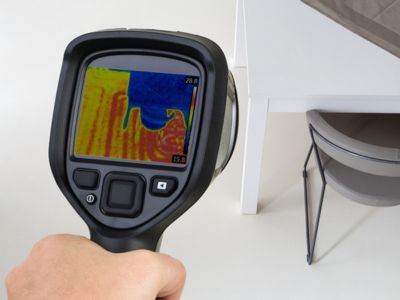 A slab leak detection service can do more than detect a slab leak; it can:
 )