How to Prevent Frozen Pipes This Winter
When temperatures drop, plumbing systems face extra stress, especially in unheated or drafty areas of a building. Frozen pipes can quickly turn into a pipe burst, causing water damage, expensive repairs, and major disruption. This post explains practical ways to protect plumbing during colder weather, offering an overview of how to insulate vulnerable pipes, use indoor heat wisely, and winterize every outdoor faucet to help prevent freezing pipes and related damage.
Insulate the Pipes
 One of the most effective defenses against frozen pipes is proper pipe insulation. Pipes that run through unconditioned spaces—such as attics, crawl spaces, unfinished basements, or garages—are especially vulnerable to freezing. Cold air moves more freely in these areas, and water inside unprotected pipes can freeze, expand, and cause a pipe burst before anyone notices a problem.
Adding pipe insulation around exposed lines helps slow heat loss from the water inside. Foam sleeves, fiberglass wraps, or specialized insulating tape can be used to insulate pipes of different sizes and materials. Particular attention should be paid to pipes along exterior walls, near windows, doors, or vents, and any sections that have frozen in past winters. Taking time to insulate pipes in these locations significantly reduces the likelihood of frozen pipes and the risk of a sudden burst pipe.
Pipe insulation offers additional benefits as well. Insulated hot-water lines generally keep water warmer between the heater and fixtures, reducing wait times for warm water and limiting heat loss. For homes in regions with repeated cold snaps, a focused effort to insulate pipes is a cost-effective step that improves both comfort and protection.
Keep the Heat on and Open Cabinets
 Indoor heating plays a crucial role in preventing freezing pipes. Maintaining a consistent thermostat setting during cold periods helps keep overall indoor temperatures above freezing, including in rooms and corners that tend to run cooler. Allowing indoor temperatures to drop too low overnight or during absences can increase the chance that water inside pipes will freeze, especially in marginal areas such as over-garage rooms, basements, and additions.
Opening cabinet doors that conceal plumbing adds another layer of protection. Cabinets under kitchen and bathroom sinks often contain pipes that run along exterior walls. When doors stay closed, cold air can become trapped inside the cabinet, lowering pipe temperatures faster than the surrounding room. Opening these doors allows warm air from the living space to circulate through the pipes, helping to prevent freezing.
Combining steady heating with open cabinets and good pipe insulation offers multiple safeguards against frozen pipes. Regular heating system maintenance further supports these efforts by helping ensure that equipment runs reliably during extreme cold, when the consequences of a pipe burst can be most severe.
Winterize Outdoor Faucets
Exterior plumbing components face some of the harshest conditions in winter, making each outdoor faucet a priority for cold-weather preparation. Water trapped in exterior lines or connected hoses can freeze and expand, placing pressure on both the fixture and the interior piping that feeds it. Proper winterization greatly reduces this risk.
The process begins with disconnecting any garden hoses or attachments from each outdoor faucet. Hoses should be fully drained and stored indoors so that leftover water cannot freeze and send pressure back into supply lines. Next, the indoor shutoff valve controlling water to each outdoor faucet should be turned off, if one is available.
After the supply is shut off, open the outdoor faucet to drain any remaining water from the line. Allowing the water to run until it stops helps ensure that little or no liquid remains to freeze inside the pipe. Leaving the faucet slightly open afterward allows for minor expansion if a small amount of water remains. As a final step, an insulating cover should be placed over each outdoor faucet to shield it from cold air and wind.
When hoses are disconnected and drained, interior shutoff valves are closed, lines are emptied, and each outdoor faucet is protected with a cover, the chances of winter-related pipe damage drop dramatically. These simple steps, combined with efforts to insulate pipes and maintain indoor warmth, form a strong defense against freezing pipes, leaks, and mid-winter plumbing emergencies.
About Bud’s Plumbing & Repair Service
Bud’s Plumbing & Repair Service is a top-rated plumbing company in Evansville with a history of excellent service dating back to 1920. With great communication and 24-hour service from their trusted technicians, customer satisfaction is guaranteed. Call them today to schedule burst pipe repair in Evansville, IN.
)

 Plumbing maintenance helps identify leaks that waste water and drive up utility costs. Even small drips, when left unnoticed, can waste thousands of gallons each year. Professional leak detection methods reveal hidden issues in pipes, joints, and fixtures that might not be visible during everyday use. Addressing these issues early can improve water conservation and lower monthly expenses.
 Scheduled plumbing maintenance minimizes the frequency of major system failures. Annual inspections detect early signs of corrosion, blockages, or pressure issues before significant damage occurs. Addressing these findings in advance avoids the need for emergency service. Consistent check-ups result in fewer surprises and more predictable system performance.
)
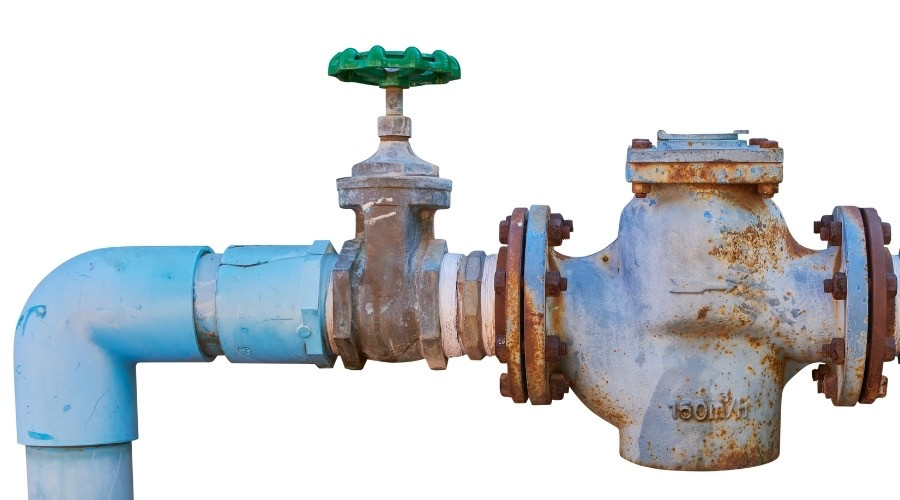
 Backflow occurs anytime water flows backward through piping, such as during pipe bursts or periods of heavy consumption. While this may seem innocuous, the real threat is what is caused during backflow.
  Backflow testing is the process by which plumbers check
 )
 Strong plant roots support the rapid growth of all plant life in the spring. Roots feed the plant and pull nutrients like water into the stems and leaves. When warmer temperatures come, roots rapidly grow underneath the surface of the soil to find new sources of nutrients. In some cases, these feeder roots tap into sewer lines to obtain loads of nitrogen and phosphorus, two of the most important nutrients for plants.
  Once the root is inside the pipe, it will grow quickly. As it grows wider, it will worsen the damage to the pipe and allow more roots inside. At the same time, it will send tons of new feeder roots to soak up all the nutrients. The result is a living net growing inside a sewer line. As sewage attempts to flow through the obstruction, solids, and debris will get caught in the net. Eventually, the net will be so laden with debris that sewage won't be able to flow. This causes major sewage backups in the home. Some of the signs that will accompany this are:
 )
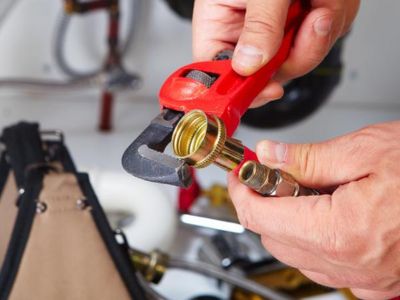 Along with preventing most complex problems from occurring, performing routine tasks on a plumbing maintenance checklist also has the benefit of prolonging the life of a home’s plumbing system by keeping pipes in good working condition. On average, a homeowner can expect the plumbing system in their homes to last at least 20 years or more, depending on the kind of material that the pipes are made of. With proper care and maintenance, that life span can be extended, and instead of preparing to undergo a complete overhaul of the piping system, homeowners can enjoy home life without worrying about replacing a major system sooner than expected.
 By taking care of pipes and keeping them in great condition for an extended period, homeowners also benefit from saving money on things like water bills, energy bills, and repair costs. For one, well-maintained pipes allow operations around the home to work at high-efficiency rates. That means appliances, equipment, and fixtures all work properly without generating a lot of losses in the form of
 )