How to Better Care for a Home’s Toilets
Toilet problems can disrupt daily routines. Simple yet effective strategies can prevent common issues such as clogs and leaks. This guide offers expert insights that reduce toilet maintenance time, lower expenses, and ease bathroom-related stress. Practical advice ensures a more comfortable, efficient bathroom environment with fewer disruptions.
Signs a Toilet Needs Repair or Replacement
 Early detection of toilet problems can prevent extensive water damage and emergency plumbing calls. Common symptoms often emerge subtly before evolving into major issues.
A constantly running toilet signals internal malfunctions that waste hundreds of gallons monthly and inflate water bills. Continuous running long after flushing requires inspection. Leaks at the toilet base or from the tank cause water damage to the flooring and substructures.
Frequent clogging, even when appropriate waste is flushed, may indicate an aging or failing toilet. Weak or incomplete flushing also suggests internal mechanical issues or reduced water flow. Toilets that empty slowly or require multiple flushes typically suffer from internal inefficiencies.
Cracks in the porcelain bowl or tank require immediate replacement to prevent structural failure and potential flooding. Other warning signs include toilets over 15–20 years old, frequent repair needs, or high water consumption. Replacing outdated models with EPA-certified WaterSense toilets can reduce water use by 20–60% per flush while maintaining strong performance.
Frequent toilet repairs often point to underlying problems that temporary fixes cannot resolve. Constant maintenance needs result in higher plumbing costs and reduced fixture reliability over time.
Older toilets—particularly those over 25 years old—use significantly more water than newer models. According to EPA estimates, replacing outdated toilets with WaterSense-certified versions can lower annual water use by 60%, potentially saving nearly $140 in water expenses.
Tracking how often repairs occur and evaluating water usage helps determine when replacement is more cost-effective. Toilets manufactured before 1994 typically use 3.5 gallons or more per flush, while newer models use just 1.28 gallons or less. These modern designs offer greater efficiency and reduce the likelihood of clogs.
Improved flushing technology in modern toilets ensures full waste removal with minimal water, making replacement an environmentally friendly and budget-conscious choice.
Tips for Preventing Toilet Clogs
 Clog prevention begins with proper flushing habits. Only human waste and toilet paper belong in the toilet. Items like paper towels, facial tissues, and so-called "flushable" wipes do not break down like toilet paper and often result in pipe blockages.
Commonly flushed items such as dental floss, feminine hygiene products, cotton swabs, and hair can accumulate in pipes and lead to clogs. These items do not dissolve and often cause buildup that prevents normal water flow.
Establishing clear household rules about what belongs in the toilet helps prevent clogs. Placing a wastebasket next to each toilet encourages proper disposal. Teaching children about toilet use early also prevents future plumbing issues.
Using less toilet paper per flush also supports a healthier plumbing system. Plumbing industry data shows that around 40% of toilet clogs come from flushing inappropriate items. Better habits contribute to efficient plumbing and a healthier community wastewater system.
Overuse of toilet paper remains a leading cause of toilet clogs. Large quantities flushed at once can cause blockages that restrict water flow and waste removal.
In general, using more than a small handful of toilet paper at a time can overwhelm pipes. Adopting a two-flush method helps: flush once during use, then again after finishing. This practice minimizes strain, especially on low-flow toilets.
Switching to fast-dissolving or "septic-safe" toilet paper reduces clog risks. According to Consumer Reports, some varieties break down up to 70% faster than standard toilet paper. Providing a small bathroom trash bin for non-flushable waste also discourages flushing problematic items.
Simple adjustments to daily habits can prevent unnecessary plumbing expenses and ensure long-term toilet performance.
How Sewer Lines Impact Toilets
Toilet clogs or backups may reflect deeper sewer line issues below the home. Obstructed main lines often affect bathroom fixtures first, as waste and water fail to drain properly.
Clogs in sewer lines cause noticeable toilet symptoms. Gurgling noises during flushing or water backing up in nearby fixtures, such as showers, signal drainage problems. Plumbing industry data attributes roughly 80% of serious toilet backups to main sewer line blockages.
Sewer and toilet systems are directly connected. Tree roots, grease buildup, or collapsed pipes often lead to widespread drainage issues. Unlike isolated clogs, these problems usually affect multiple drains simultaneously. Prompt action prevents water damage and exposure to health hazards.
Camera inspections by plumbing professionals can pinpoint the exact location of a blockage, allowing for faster and more accurate repairs.
Every day toilet habits influence the health of the entire sewer system. Items that flush without immediate issue can still accumulate in pipes and create long-term obstructions.
Toilet paper is the only product specifically designed to disintegrate quickly in wastewater systems. Other items—such as wipes, feminine products, and paper towels—persist much longer, with some taking months to break down. These materials contribute to sewer line clogs and slow-drain issues.
Maintaining sewer line health requires consistent disposal practices:
- Discard grease and oils in the trash
- Provide bathroom trash bins for non-flushables
- Educate all household members about proper disposal
- Schedule periodic drain inspections to catch early signs of buildup
Preventative maintenance and mindful flushing habits protect plumbing systems from costly failures and ensure long-term performance.
Call Bud’s Plumbing & Repair Service
Bud’s Plumbing & Repair Service is a trusted plumbing services company serving the Evansville area and beyond. They offer the latest technology, 24-hour service, and a satisfaction guarantee. Call them for toilet repair and installation in Evansville, IN.
)
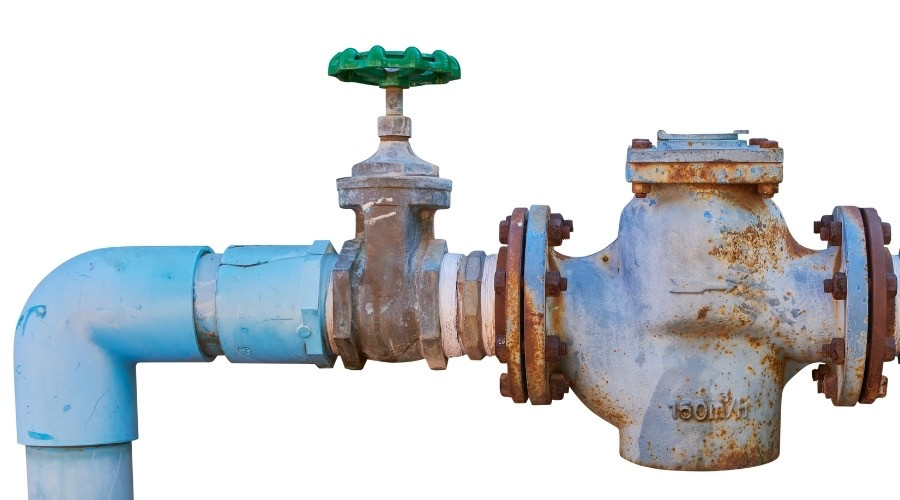
 Backflow occurs anytime water flows backward through piping, such as during pipe bursts or periods of heavy consumption. While this may seem innocuous, the real threat is what is caused during backflow.
  Backflow testing is the process by which plumbers check
 )


)
)
)