Hydro Jetting and Signs It May Be Needed Explained

Clear Sewer Line Clogs With Hydro Jet Drain Cleaning

When plumbing issues arise, sewer line clogs are among the most common and disruptive problems a homeowner can face. These blockages can lead to serious sanitation issues if left unaddressed. Hydro jet drain cleaning provides a highly effective solution, using advanced technology to clear away obstructions and restore full functionality to your home's plumbing system. Investing in professional hydro jetting services can address stubborn clogs and ensure the pipes are clean and free-flowing.

What Is Hydro Jetting?

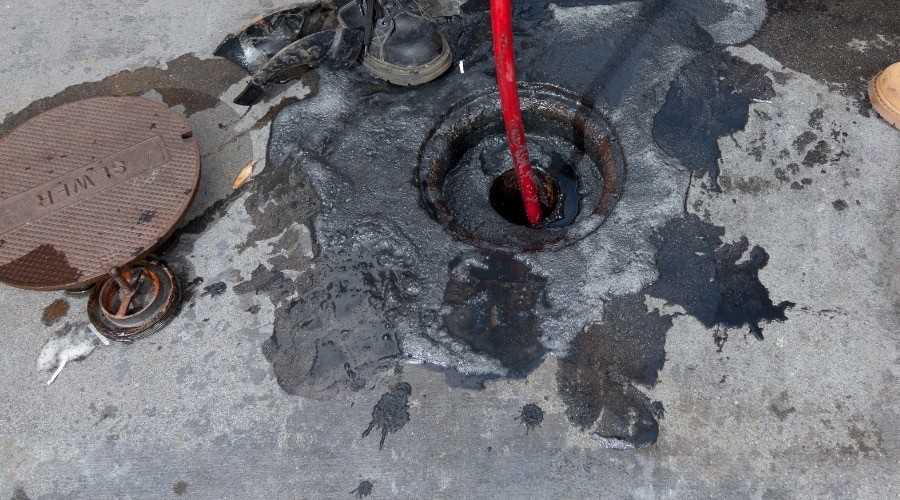
Hydro jetting is a powerful method used by professionals to eliminate even the most stubborn sewer line clogs. This process involves blasting high-pressure water through the plumbing system to scour the interior of the pipes. Before beginning hydro jet drain cleaning, a professional must perform a camera inspection to check the condition of the lines. While hydro jetting is highly safe and effective when performed correctly, older or weakened pipes may not be able to withstand the intense water pressure, making an initial assessment critical.

What Signs Indicate Hydro Jetting Is Needed?
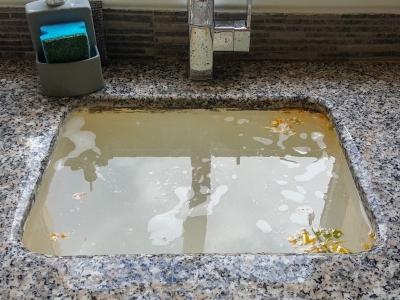
clogHomeowners should be vigilant for signs of a clogged sewer line, such as slow-draining sinks, foul odors emanating from drains, gurgling noises, or sewage backups. While a standard drain cleaning might offer temporary relief, recurring issues often indicate that a significant amount of grease, minerals, or tree roots has accumulated. In these cases, sewer jetting is necessary to completely clear the buildup from the pipe walls and restore the system to like-new condition.

What Are the Benefits of Hydro Jetting?
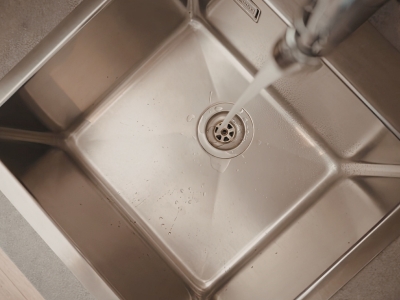
sinkChoosing hydro jetting offers several advantages over traditional methods. Unlike a traditional drain snake, which may only punch a small hole through a blockage, the high-pressure water removes all debris, leaving nothing behind. Furthermore, it is a mechanical process that avoids the use of harsh chemical cleaners, which can cause long-term corrosion to the plumbing. By opting for this thorough cleaning method, property owners can ensure their pipes remain clear and functional for a much longer period.

About Bud's Plumbing & Repair Service

Bud's Plumbing & Repair Service is a trusted, local plumbing company serving the Evansville, IN area since 1920. They provide the latest technology, 24-hour service, and helpful technicians. Call for hydro jetting services in Evansville, IN.

Essential Facts You Need To Know About Tankless Water Heaters

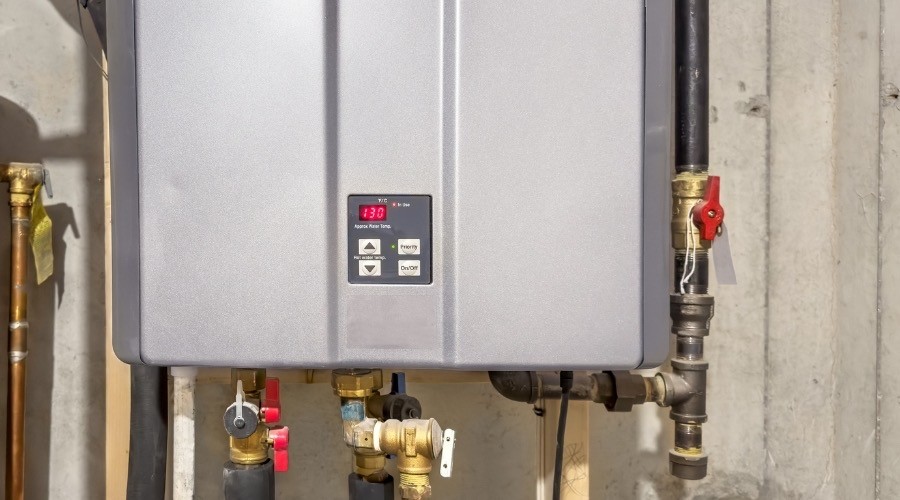
Modern tankless water heater installation and efficient on-demand hot water system.

Why Install a Tankless Water Heater?

Opting for an on-demand heating unit is an excellent strategy for upgrading a home's infrastructure and optimizing daily utility use. Unlike classic setups that expend continuous energy to keep a massive water reservoir hot at all hours, these modern devices offer a highly responsive approach to household comfort. Transitioning to this technology allows a household to secure a highly dependable supply of hot water that won't suddenly run out during consecutive morning showers. 

At the same time, making this change eliminates the cumbersome footprint of a traditional basement cylinder, replacing it with a streamlined setup that opens up valuable floor space for extra shelving or general organization. By choosing to install a tankless water heater, homeowners transition their properties toward a more sustainable, space-conscious utility configuration.

What Is a Tankless Water Heater and How Does It Work?

A tankless water heater is a sophisticated, wall-mounted appliance engineered to heat water instantly as it moves through the system, rather than storing it in advance. The fundamental structural departure from a standard storage-tank water heater is the complete removal of a permanently filled, standing hot-water tank. While a traditional storage water heater burns fuel continuously to keep 40 or 50 gallons of water warm regardless of actual household activity, a tankless alternative rests quietly in standby mode, springing into action only when a tap is turned on.

The mechanics behind this on-demand delivery are beautifully straightforward. The moment a hot-water faucet or appliance is activated, cold water enters the unit, triggering a flow sensor that immediately activates an internal heating element, typically powered by natural gas or electric coils. As the water snakes through the internal piping, it reaches the target temperature within seconds before flowing straight out of the open faucet. Because the system continuously warms the liquid as it flows, there is no physical water heater tank to drain, so the household can draw hot water indefinitely without a sudden drop in temperature.

Benefits of Installing a Tankless Water Heater

save money Scheduling a professional tankless water heater installation offers a variety of long-term operational benefits that extend far beyond simply modernizing a utility room. Chief among these advantages is a dramatic improvement in overall energy efficiency. By eliminating the continuous energy drain required to keep a standard hot water tank warm during hours of non-use, homeowners often see substantial reductions in their monthly utility expenses. Furthermore, the daily routine becomes much more seamless with immediate access to hot water, putting an end to the frustrating wait for an empty tank to recover and reheat slowly.

Physical space optimization is another compelling reason to consider this upgrade. Traditional options command a massive footprint, whereas a tankless device is remarkably compact, freeing up precious real estate in closets, basements, or utility areas. Finally, these units are recognized for their exceptional durability. While a standard water heater tank is highly susceptible to wear and tear within a decade, a tankless alternative can comfortably serve a household for up to twenty years with proper care, making it an incredibly resilient asset for long-term property value.

Signs It's Time to Replace an Existing Water Heater

leak Remaining vigilant about the health of a home's utility setup can prevent unexpected property damage and costly emergency plumbing fees. Homeowners should look out for a leaking water heater, as structural moisture around the base of the cylinder indicates a serious compromise in the system's integrity. A corroded water heater is another undeniable warning sign; if the household tap water takes on a rusty hue or if the metal shell shows visible signs of deterioration, the unit is actively failing from the inside out.

Operational age is an equally critical metric to track, given that conventional systems typically begin a steep performance decline after a decade of service. When an old water heater reaches this threshold, its heating capabilities drop significantly, causing a noticeable spike in energy bills. Additionally, if an appliance demands constant technical fixes just to stay operational, the cumulative repair costs will quickly surpass the investment required for a clean slate. When these clear indicators point toward a necessary water heater replacement, it is an ideal opportunity for property owners to consider upgrading to a tankless model to ensure a more efficient and reliable household moving forward.

Call Bud’s Plumbing & Repair Service 

Bud’s Plumbing & Repair Service is a trusted, family-owned plumbing company that has proudly served Evansville and surrounding communities for generations. Known for honest workmanship, upfront pricing, and dependable service, the team uses ongoing training and the latest technology to deliver reliable plumbing solutions. With a strong commitment to professionalism and customer satisfaction, they remain a go-to choice for quality plumbing services that fit your needs and budget. Call them for tankless water heater service in Evansville, IN.

Routine Backflow Testing as a Backflow Prevention Method

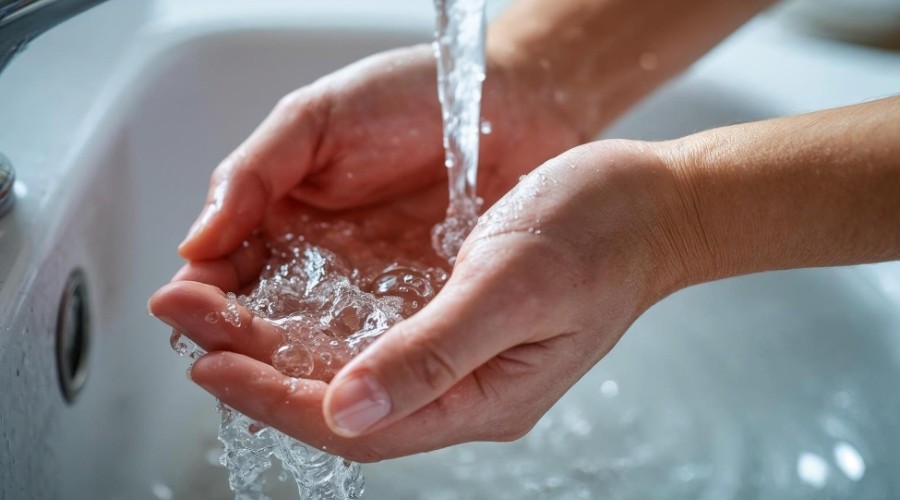
Hands cupping water from a faucet, illustrating the importance of clean water access and backflow prevention in plumbing.

The Importance of Backflow Prevention and Testing

Every homeowner wants safe, clean water flowing through their taps, but most don't realize that without proper backflow prevention, contaminated water can quietly flow back into their home's drinking supply. It's a hidden risk that can have serious consequences for a family's health, yet it's one of the easiest plumbing issues to guard against with routine maintenance.

Backflow prevention and regular backflow testing are two of the simplest ways homeowners can protect their household water and contribute to the safety of their entire community. Understanding how backflow works and why testing matters empowers homeowners to take a proactive step that could make all the difference.

What Is Backflow?

dirty water In a properly functioning plumbing system, water flows in one direction: from the municipal supply or a private well into the home. Backflow occurs when the flow reverses, drawing water back through the pipes and potentially allowing dirty or contaminated water to mix with the clean supply.

This reversal typically occurs due to a sudden change in water pressure, such as a water main break, a burst pipe, or heavy demand from nearby firefighting efforts. When pressure drops on the supply side, it can essentially "suck" water back from irrigation systems, garden hoses submerged in buckets, or even industrial equipment connected to the plumbing. The dangers of backflow shouldn't be underestimated: reversed water can carry fertilizers, pesticides, sewage, bacteria, and other harmful substances directly into the drinking water supply. What was once clean, safe water can become a health hazard in a matter of moments.

What Is Backflow Testing?

A backflow test is an inspection conducted by a licensed plumber or certified backflow tester to verify that a home's backflow prevention devices are functioning properly. These devices, also called backflow preventers or backflow prevention devices, are specially designed valves installed in the plumbing system that allow water to flow in only one direction. When they're functioning correctly, they act as a reliable barrier against contamination.

Over time, however, these devices can wear down, corrode, or fail without showing any obvious outward signs. That's exactly why backflow testing needs to happen regularly. Most water authorities and plumbing professionals recommend having a backflow device inspected and tested at least once a year. Annual testing ensures that the preventer hasn't silently degraded and that homeowners aren't unknowingly exposed to risk. In many municipalities, routine testing is not just best practice, it's required by local code.

The Importance of Routine Backflow Testing

water Scheduling an annual backflow test gives homeowners the confidence that their backflow preventers are working correctly and that their plumbing is protected. A backflow device can fail internally without any visible warning signs, and regular testing catches those issues early — before they lead to costly repairs or expose the household to water contamination.

Beyond the home itself, properly maintaining backflow prevention devices is an important step in protecting public health. Contaminated water can spread through shared supply lines and cause serious illness across an entire community. Routine backflow testing is a small but meaningful way homeowners can help keep their neighborhood's water supply safe for everyone.

About Bud’s Plumbing & Repair Service 

Bud’s Plumbing & Repair Service delivers fast, reliable plumbing solutions backed by honest service and quality workmanship. Their highly trained team uses the latest technology to provide accurate diagnoses and long-lasting repairs. With 24-hour service and a satisfaction guarantee, they ensure a clean, hassle-free experience and dependable results you can trust. Call them for backflow testing and certification services in Evansville, IN.

Spring Checklist: Make Sure the Sump Pump Is Ready

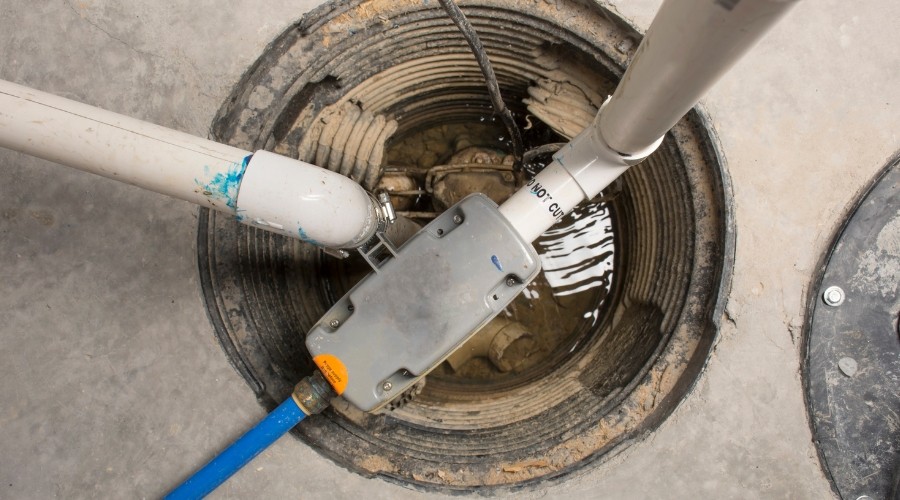
Sump pump installation in a basement, featuring drainage pipes and water, illustrating flood prevention and water damage protection.

Working Sump Pumps Protect Homes From Flooding and Water Damage

As snow melts and spring storms roll through, basements and crawlspaces face a higher risk of unwanted water. A reliable sump pump acts as a first line of defense, collecting groundwater and directing it safely away from the foundation. When sized and maintained correctly, this small appliance can prevent costly water damage, protect stored belongings, and help keep indoor air healthier by reducing damp conditions. This guide reviews the basic benefits of a sump pump, practical steps for checking performance before heavy rain arrives, and reasons many homes add a secondary sump pump backup or sump pump battery backup for extra peace of mind.

Sump Pumps and Their Benefits Explained

flood A sump pump sits inside a pit, or “sump basin,” at the lowest point of a basement or crawlspace. As groundwater or minor leaks seep into the pit, a float switch eventually activates the pump, which pushes water through a discharge pipe to the exterior. Proper sump pump installation lowers the chance that water levels reach finished flooring, stored furniture, or mechanical equipment. By moving excess moisture out quickly, a working pump helps avoid structural damage, ruined insulation, and expensive remediation bills. Dry conditions also discourage mold growth, which can affect air quality and create potential health concerns for sensitive individuals.

How to Make Sure a Sump Pump Works Correctly

sump pumpRegular sump pump maintenance is essential, especially heading into wetter months. Homeowners can start with simple visual checks: ensure the pit is free of debris, and remove mud, gravel, or loose plastic that might obstruct the intake. Slowly pour water into the sump basin until the float rises; the pump should switch on, clear the water, and then shut off. If the unit fails to start, runs loudly, or does not empty the pit, a professional inspection is recommended. Annual service allows a plumber to clean components, examine the discharge line, and verify that check valves and electrical connections are in good condition. Routine attention reduces the odds of sudden failure during a severe storm.

Why a Sump Pump Backup May Be Needed

Even a well‑maintained primary pump can be overwhelmed or disabled under certain conditions. Power outages during thunderstorms, mechanical breakdowns, or simply an unusually high influx of groundwater can leave a single unit unable to keep up. Installing a backup sump pump provides a second layer of defense. Some systems use a completely separate pump connected to a different circuit, while others rely on a sump pump battery backup that operates when main power is unavailable. A carefully designed sump pump backup system can take over if the primary pump fails or assist when water levels rise quickly. For properties with finished basements, valuable storage, or past flooding incidents, a backup sump pump often represents a relatively small investment compared with the potential cost of extensive water damage.

About Bud’s Plumbing & Repair Service

Bud’s Plumbing & Repair Service is a plumbing contractor trusted throughout Evansville and the surrounding communities. With expert service from trusted technicians, use of the latest technology, and partnering with top-rated brands, Bud’s Plumbing & Repair Service guarantees customer satisfaction. Call them today for sump pump installation in Evansville, IN.

Tips to Detect a Water Leak

Copper pipe with a visible leak, showing water dripping, representing plumbing issues related to water leak detection and repair services.

Signs to Call for Water Leak Detection and Repair

A quiet drip behind a wall can begin as a minor inconvenience, yet over time, that hidden moisture can compromise structural materials, increase utility expenses, and invite mold growth. Water lines run beneath floors, behind drywall, and through ceilings, making leak detection a critical part of property maintenance. Recognizing early warning signs and scheduling professional leak-detection services protects plumbing systems, preserves building integrity, and prevents escalating repair costs.

High Water Bills

An unusually high water bill often tells the first part of the story. When water usage habits remain consistent but monthly charges rise, concealed pipe leaks or slab leaks may be allowing water to escape without notice. That wasted water steadily increases utility expenses while saturating surrounding materials.

As water continues to seep from damaged pipes, framing, insulation, and subflooring can absorb moisture. Over time, that moisture leads to wood rot, weakened supports, and costly structural repairs. Prompt leak detection and repair stop the damage at its source and restore plumbing efficiency.

Accurate leak detection services rely on advanced diagnostic tools such as acoustic listening devices and pressure testing. These methods locate hidden plumbing failures without unnecessary demolition. Fast, targeted repairs reduce water waste and protect the property's long-term value.

Other Signs of a Leak

leak High water bills rarely appear alone, and other warning signs often surface throughout the home. Low water pressure at faucets and showerheads can signal a compromised supply line that restricts proper flow. That pressure imbalance may indicate a hidden crack or corroded pipe within the plumbing system.

Strange sounds also contribute to the unfolding story of a leak. The sound of running water when fixtures are turned off can point to water moving through a damaged pipe. Persistent moisture may then lead to mold growth, musty odors, and visible water stains on walls, ceilings, or flooring.

Discoloration, bubbling paint, or warped materials reveal prolonged exposure to water intrusion. As moisture spreads, indoor air quality can decline, and structural components may deteriorate. Professional water leak detection and repair addresses these symptoms before widespread damage develops.

Use the Water Meter

water meter A water meter offers another practical method for identifying hidden plumbing leaks. All faucets, appliances, and irrigation systems should remain off before observing the meter reading. If the meter continues to move even with no water usage, a leak may be present in the system.

This simple diagnostic step provides valuable insight into the condition of underground pipes and interior plumbing lines. Even a slight change in the meter reading can indicate a slow leak that requires further investigation. Early detection minimizes water damage restoration costs and prevents unnecessary strain on the plumbing infrastructure.

When a water meter signals trouble or visible signs of water damage appear, professional intervention becomes essential. Local plumbers utilize specialized equipment to pinpoint the exact location of leaks and perform efficient repairs. Reliable leak detection services restore confidence in the plumbing system and prevent future complications.

Call Bud’s Plumbing & Repair Service

Bud’s Plumbing & Repair Service is a trusted plumbing service company serving the Evansville, IN, community. They offer accurate diagnosis, cost-effective solutions, and 24/7 service. Call them for leak detection services in Evansville, IN.