Potential Causes of Low Water Pressure

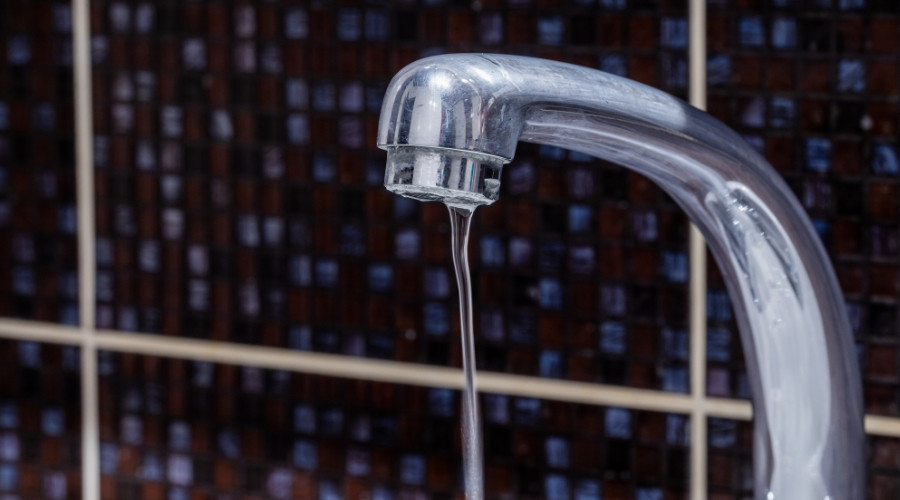
Water faucet with flowing water, highlighting plumbing issues related to low water pressure and fixture performance.

What Causes Poor Water Pressure?

A quiet home routine often begins with running water during morning tasks. A sudden change in flow signals an underlying plumbing condition developing over time. Poor water pressure usually reflects a hidden disruption within the water supply system, such as a clog or leak in the water line.

Faulty Fixtures or Closed Valves
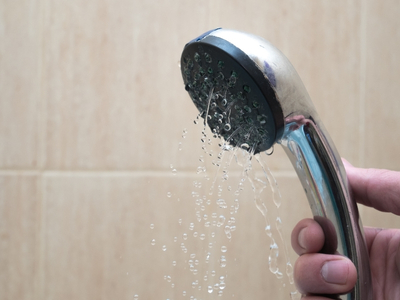
shower head Low water pressure affecting a single faucet or showerhead often points toward a clogged or worn fixture. Mineral deposits gradually collect inside fixtures, restricting water flow and reducing performance. Fixture replacement or professional cleaning often restores normal pressure.

Widespread low water pressure throughout a home suggests a different cause. A partially closed main water shutoff valve or water meter valve limits water volume entering the plumbing system. Proper valve adjustment frequently improves pressure across all fixtures.

Valves sometimes shift after plumbing work or routine maintenance. Reduced flow places strain on pipes and connected components. Professional inspection confirms correct valve positioning and protects system efficiency.

Water Leaks

leak Water leaks within supply lines quietly reduce pressure at sinks, showers, and appliances. Escaping water diverts flow away from fixtures while increasing utility expenses. Undetected leaks often worsen over time.

Leak detection services locate hidden breaks or pinhole leaks within pipes. Accurate diagnosis allows targeted water leak repair without unnecessary damage. Restored pressure often follows successful repairs.

Prompt leak repair protects pipes and surrounding structures. Ongoing leaks weaken plumbing materials and reduce system reliability. Professional plumbers restore consistent water pressure through precise repair methods.

Clogs and Buildup

Clogs and buildup inside water lines restrict water movement throughout a plumbing system. Aging pipes corrode internally, narrowing pathways and limiting flow. Reduced pressure often develops gradually under such conditions.

Mineral-rich water contributes to limescale accumulation along pipe walls. Hardened deposits reduce pipe diameter and affect multiple fixtures at once. Professional cleaning removes buildup and improves circulation.

Older plumbing systems face a higher risk of internal blockages. Pipe replacement or descaling services restore proper flow. Consistent water pressure returns once clear pathways support efficient delivery. Reliable water pressure supports daily comfort and efficient plumbing performance. Homeowners are urged to address hidden issues affecting water flow and system integrity. Local full-service plumbing solutions companies can provide accurate diagnoses and cost-effective solutions for lasting results.

Call Bud’s Plumbing & Repair Service

Bud’s Plumbing & Repair Service is a trusted plumbing service company serving Evansville, IN, and beyond. They offer upfront pricing, accurate diagnosis, and cost-effective solutions. Call them today for leak detection services in Evansville, IN.

Time for an Upgrade? Signs a Water Heater Needs Replacement

Water heater in a utility room with electrical panel, tools, and maintenance items, illustrating plumbing services related to hot water issues and replacement guidance.

Don't Get Stuck Without Hot Water This Winter

Hot water plays a role in bathing, cleaning, laundry, and many daily tasks, so a failing water heater can cause major inconvenience. Deciding when repair is enough and when a full water heater replacement is smarter helps avoid cold showers and water damage. This overview covers temperature problems, leaks or corrosion, and age or repair patterns that often mean a new unit is the best choice.

Temperature Issues

Water temperature changes usually appear before other warning signs. Inconsistent or uneven hot water, where taps suddenly shift from hot to lukewarm, often points to worn thermostats, failing heating elements, or heavy sediment inside the tank. A complete loss of hot water almost always signals a serious internal fault that will not clear on its own.

Another clue is running out of hot water much faster than in the past, even with the same routine. Loss of capacity can result from mineral buildup that reduces usable tank volume or from one element no longer operating. When a system delivers unreliable temperatures, no hot water, or very short hot‑water runs, planning for water heater replacement is usually more practical than investing in repeated minor repairs.

Leaks or Corrosion

water heater Visible damage around the tank strongly suggests the unit is nearing the end of its life. Water heater corrosion may show up as rust streaks, flaking metal, blistered paint, or damp insulation. At fixtures, discolored or rust‑tinted hot water, or water with a metallic odor, can also indicate a corroded water heater.

Once corrosion eats through the inner lining, a water heater leak often develops. A leaking water heater may leave small puddles under the tank, stained flooring, or moisture on nearby walls. Because internal rust continues to spread, patching a corroded tank rarely provides a lasting fix. Replacing a severely corroded or leaking unit promptly helps prevent structural damage, mold growth, and ruined possessions.

Old Age or Frequent Repairs

water heater Traditional storage water heaters have a limited service life. When a standard tank reaches ten years or more, internal components wear down, efficiency drops, and new issues tend to appear more often. Rumbling or popping sounds, cloudy hot water, and persistent pilot or ignition problems are common on aging systems.

Frequent repairs are another strong indicator that replacement is the better long‑term strategy. If breakdowns have become routine, or if a single repair approaches the cost of a new heater, upgrading to modern water heater installation often saves money and frustration over time. A timely water heater replacement allows better sizing for present needs and delivers more dependable water heating day after day.

About Bud’s Plumbing & Repair Service

The helpful technicians at Bud’s Plumbing & Repair Service offer clear communication and hassle-free scheduling for all plumbing needs in Evansville and the surrounding areas. With 24-hour service and cost-effective solutions, customer satisfaction is guaranteed. Call them today for reliable water heater installation and repair in Evansville, IN.

Winter-Proof Plumbing: Simple Steps to Prevent Frozen Pipes

Frozen copper pipe with ice buildup and water leaking, illustrating plumbing issues related to winter conditions.

How to Prevent Frozen Pipes This Winter

When temperatures drop, plumbing systems face extra stress, especially in unheated or drafty areas of a building. Frozen pipes can quickly turn into a pipe burst, causing water damage, expensive repairs, and major disruption. This post explains practical ways to protect plumbing during colder weather, offering an overview of how to insulate vulnerable pipes, use indoor heat wisely, and winterize every outdoor faucet to help prevent freezing pipes and related damage.

Insulate the Pipes

pipes One of the most effective defenses against frozen pipes is proper pipe insulation. Pipes that run through unconditioned spaces—such as attics, crawl spaces, unfinished basements, or garages—are especially vulnerable to freezing. Cold air moves more freely in these areas, and water inside unprotected pipes can freeze, expand, and cause a pipe burst before anyone notices a problem.

Adding pipe insulation around exposed lines helps slow heat loss from the water inside. Foam sleeves, fiberglass wraps, or specialized insulating tape can be used to insulate pipes of different sizes and materials. Particular attention should be paid to pipes along exterior walls, near windows, doors, or vents, and any sections that have frozen in past winters. Taking time to insulate pipes in these locations significantly reduces the likelihood of frozen pipes and the risk of a sudden burst pipe.

Pipe insulation offers additional benefits as well. Insulated hot-water lines generally keep water warmer between the heater and fixtures, reducing wait times for warm water and limiting heat loss. For homes in regions with repeated cold snaps, a focused effort to insulate pipes is a cost-effective step that improves both comfort and protection.

Keep the Heat on and Open Cabinets

sinkIndoor heating plays a crucial role in preventing freezing pipes. Maintaining a consistent thermostat setting during cold periods helps keep overall indoor temperatures above freezing, including in rooms and corners that tend to run cooler. Allowing indoor temperatures to drop too low overnight or during absences can increase the chance that water inside pipes will freeze, especially in marginal areas such as over-garage rooms, basements, and additions.

Opening cabinet doors that conceal plumbing adds another layer of protection. Cabinets under kitchen and bathroom sinks often contain pipes that run along exterior walls. When doors stay closed, cold air can become trapped inside the cabinet, lowering pipe temperatures faster than the surrounding room. Opening these doors allows warm air from the living space to circulate through the pipes, helping to prevent freezing.

Combining steady heating with open cabinets and good pipe insulation offers multiple safeguards against frozen pipes. Regular heating system maintenance further supports these efforts by helping ensure that equipment runs reliably during extreme cold, when the consequences of a pipe burst can be most severe.

Winterize Outdoor Faucets

Exterior plumbing components face some of the harshest conditions in winter, making each outdoor faucet a priority for cold-weather preparation. Water trapped in exterior lines or connected hoses can freeze and expand, placing pressure on both the fixture and the interior piping that feeds it. Proper winterization greatly reduces this risk.

The process begins with disconnecting any garden hoses or attachments from each outdoor faucet. Hoses should be fully drained and stored indoors so that leftover water cannot freeze and send pressure back into supply lines. Next, the indoor shutoff valve controlling water to each outdoor faucet should be turned off, if one is available.

After the supply is shut off, open the outdoor faucet to drain any remaining water from the line. Allowing the water to run until it stops helps ensure that little or no liquid remains to freeze inside the pipe. Leaving the faucet slightly open afterward allows for minor expansion if a small amount of water remains. As a final step, an insulating cover should be placed over each outdoor faucet to shield it from cold air and wind.

When hoses are disconnected and drained, interior shutoff valves are closed, lines are emptied, and each outdoor faucet is protected with a cover, the chances of winter-related pipe damage drop dramatically. These simple steps, combined with efforts to insulate pipes and maintain indoor warmth, form a strong defense against freezing pipes, leaks, and mid-winter plumbing emergencies.

About Bud’s Plumbing & Repair Service

Bud’s Plumbing & Repair Service is a top-rated plumbing company in Evansville with a history of excellent service dating back to 1920. With great communication and 24-hour service from their trusted technicians, customer satisfaction is guaranteed. Call them today to schedule burst pipe repair in Evansville, IN.

Signs of a Sewer Line Clog

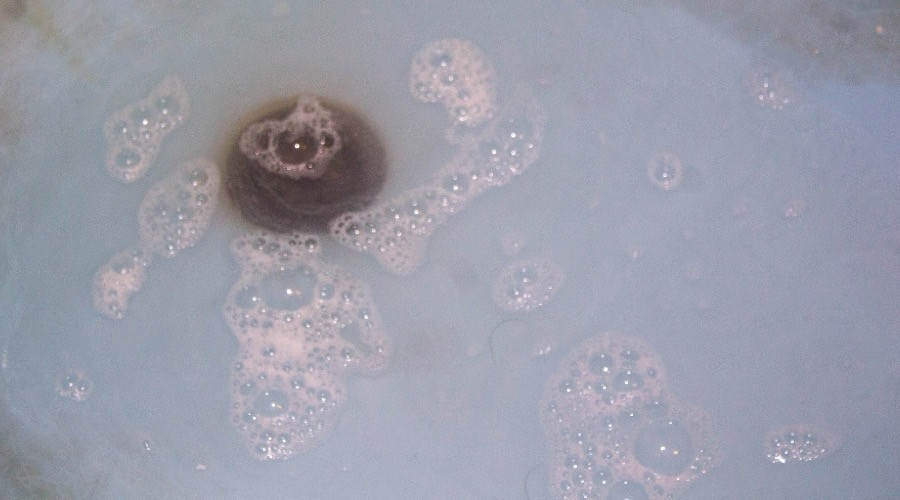
Bubbling water around a drain, indicating potential sewer line clog and need for professional drain cleaning services.

How to Identify a Sewer Line Clog and the Need for Drain Cleaning

Catching early signs that a sewer line is clogged can prevent extensive damage and costly cleanup. A main obstruction often announces itself with unusual noises, odors, system‑wide backups, or persistent slow draining. This overview outlines common red flags of a sewer line clog, when professional drain cleaning is warranted, and how tools like a drain snake or hydro jetting are used to clear blockages. It also notes situations where sewer line repair may be needed to restore safe, reliable flow.

Gurgling Noises or a Bad Smell

bad smell Gurgling sounds rising from drains often indicate air is trapped behind a developing blockage in the sewer line. As wastewater struggles past the restriction, air pockets release through nearby fixtures, producing that telltale bubbling or glugging. Unpleasant odors coming from sinks, showers, or floor drains can appear alongside the noise, signaling that gases are escaping because a clogged sewer line restricts flow.

These symptoms tend to spread as the obstruction grows, moving from one fixture to another on the same branch and eventually throughout the home. Early investigation helps keep the situation contained. A camera inspection can confirm whether debris, grease buildup, or root intrusion is narrowing the pipe. Depending on findings, drain cleaning may start with a powered drain snake to punch through the blockage, followed by hydro jetting to scour pipe walls and clear residual material. When inspection reveals cracked sections, offsets, or collapsed piping, targeted sewer line repair becomes the appropriate next step to prevent recurring clogs and restore dependable drainage.

Backups Throughout Your Home

clogSimultaneous backups in multiple fixtures—such as toilets, tubs, and floor drains—are a strong indicator of a sewer line clog rather than a localized drain issue. Wastewater follows the path of least resistance; when the main route is blocked, it often returns through the lowest fixtures first. Signs can include water rising in a tub after a toilet flush or laundry discharge surfacing in a floor drain, which points to a common restriction in the primary sewer line.

Typical causes range from tree roots entering joints to accumulations of wipes and grease, or aging piping with rough interiors that catch solids. Because the blockage resides in the main line, over‑the‑counter solutions rarely reach it. Professional drain cleaning offers the most effective path forward, usually beginning with a video inspection to identify the precise location and cause. Clearing options may include a sectional or drum drain snake for dense, localized obstructions, and hydro jetting when large amounts of buildup or roots are present. If the camera reveals structural failure—such as a broken or severely offset section—sewer line repair or partial replacement is recommended to permanently resolve the issue and reduce the chance of another clogged sewer line.

Slow Draining

Persistent slow drains across more than one fixture commonly signal a developing sewer line clog. Water that lingers in showers, sinks, and tubs points to a restriction deeper in the system rather than a simple hair or soap blockage near a trap. As debris accumulates along the main, flow slows, creating a chain reaction where fixtures throughout the property drain slowly or gurgle during use.

A methodical response helps prevent escalation. Noting which fixtures slow at the same time and whether symptoms intensify during higher‑use periods can guide diagnosis. When multiple areas are affected, a professional assessment of the sewer line is advisable. Technicians may use a drain snake to restore an initial passage through the obstruction, then apply hydro jetting to remove attached residue and reduce the likelihood of rapid re‑clogging. If repeated slowdowns occur or inspection shows misaligned, crushed, or deteriorated pipe, sewer line repair may be necessary to reestablish full capacity. Addressing the root cause early protects finishes, limits odors, and helps maintain consistent drainage throughout the home.

About Bud’s Plumbing & Repair Service

Bud’s Plumbing & Repair Service is a family-owned and operated plumbing company that has been in business for over a century in Evansville and the surrounding areas. They provide cost-effective solutions, accurate diagnoses, and a no-mess, no-hassle approach. Call them today for drain cleaning in Evansville, IN.

Key Facts About Slab Leaks

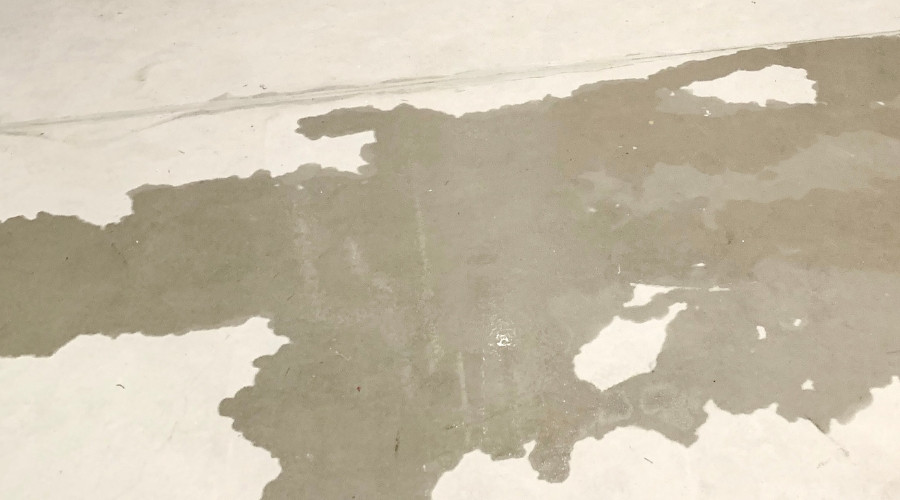
Water pooling on a concrete slab, indicating potential slab leak issues, relevant to plumbing services and slab leak detection.

Slab Leak Basics Explained

Suspected slab leaks beneath a foundation can feel overwhelming. These hidden failures often lead to gradual water damage, undermine structural stability, and inflate the water bill without obvious clues. The information below highlights early warning signs, how slab leak detection helps confirm the source, and practical options for slab leak repair to protect the property and budget.

What Are Slab Leaks?

crackA slab leak occurs when pressurized plumbing lines under a concrete slab crack, corrode, or separate at joints. Instead of traveling through the pipe, water escapes into surrounding soil and can wick upward through the slab. Over time, this persistent moisture may trigger movement in the foundation, create cracks, and cause damage to flooring, baseboards, and nearby finishes.

Because this problem develops out of sight, it often advances quietly. Unlike leaks inside walls or ceilings, slab leaks seldom leave immediate, visible drips. As the ground becomes saturated, however, telltale symptoms appear: damp areas that never fully dry, a musty odor near interior walls, or localized warmth on hard floors from a hot‑water line. Early slab leak detection by a trained professional helps pinpoint the exact location before unnecessary demolition occurs, reducing repair scope and cost.

Signs of a Slab Leak

Catching a slab leak early limits water damage and prevents avoidable expenses. Common indicators include:

Visual foundation indicators

  • Darkened or damp patches on flooring materials that persist even in dry weather
  • Hairline cracks in floors or baseboards that appear without another clear cause
  • A consistent musty smell that lingers near lower-level rooms or interior walls

Floor-related warning signs

  • Warm zones on tile or concrete that suggest a hot‑water line leak under the slab
  • Soft, swollen, or warped areas in hardwood, or rippling in carpet and pads
  • Discoloration or fading in patches where moisture collects under surface materials

Utility bill red flags

  • An unexplained rise in the water bill or a sudden high water bill without changes in routine
  • Meter movement when fixtures and appliances are off
  • More frequent cycling of a water heater when demand has not increased

When several of these signals appear together, an assessment using slab leak detection tools—such as pressure testing, acoustic listening, or thermal imaging—can confirm the source and guide the most effective slab leak repair strategy.

Common Causes of a Slab Leak

pipes Multiple conditions can contribute to slab leaks under a foundation:

  • Pipe corrosion: Over time, chemical interaction between water, soil, and metal can thin pipe walls and create pinholes. Hot‑water lines are particularly susceptible due to temperature fluctuations.
  • Ground movement: Expansive soils, seasonal moisture changes, and settlement can stress rigid piping. Repeated shifting may lead to cracks or joint separation beneath the slab.
  • Excessive pressure: Elevated water pressure places added strain on fittings and elbows, increasing the chance of leaks at weak points.
  • Installation issues: Sharp bends, inadequate support, or piping routed against abrasive surfaces can cause premature wear and eventual failure.
  • Abrasion and vibration: Pipes that rub against concrete or rebar, or that vibrate during normal operation, may wear thin over time.
  • Intrusive roots: Tree roots seeking moisture can infiltrate small openings or force joints apart.

Choosing the right fix depends on the pipe’s condition and the location of the leak. In some cases, a targeted spot repair resolves the issue; in others, rerouting or replacing a section of line provides a more durable solution. A thoughtful plan aims to stop current leakage and reduce the risk of future failures, keeping the water bill predictable and preventing additional water damage.

Swift action is essential. Ongoing moisture can lead to mold, deteriorate finishes, and weaken materials adjacent to the slab. When a leak is confirmed, a coordinated approach—accurate slab leak detection followed by focused slab leak repair—minimizes disruption and helps restore a dry, stable foundation. In many homes, repairing the leak and addressing any contributing factors (such as high pressure or inadequate support) prevents recurring problems and protects indoor air quality by limiting prolonged dampness.

With clear signs, timely diagnosis, and the right repair method, properties recover quickly from slab leaks. A proactive response limits structural stress, returns water use to normal, and keeps living spaces protected from hidden moisture.

About Bud’s Plumbing & Repair Service

Bud’s Plumbing & Repair Service is a trusted plumbing company in Evansville that has been providing quality service to the local and surrounding communities since 1920. They offer hassle-free scheduling and utilize the latest technology, provided by trusted technicians. Call them today to schedule slab leak repair in Evansville, IN.