Why Install a Water Filtration System
The installation of a water filtration system offers homeowners a powerful way to enhance their home’s water quality. Many households face issues such as lingering contaminants, off-putting odors, or hard water minerals that disrupt both health and household efficiency. With the right water filter installation, families can experience pure, refreshing water and extend the lifespan of essential plumbing equipment. For anyone concerned with long-term wellness and savings, a whole home water filter is a worthwhile investment that ensures healthier, cleaner water for years to come.
Benefits of Whole Home Water Filtration Systems
 A whole-home water filter provides a wide range of benefits. Removing impurities ensures improved water quality that directly supports better health for the household. Cleaner water also tastes and smells better, making it more enjoyable to drink straight from the tap. Beyond health benefits, a water filtration system protects plumbing fixtures and appliances, helping them last longer by preventing mineral buildup and corrosion. This results in fewer repairs and replacements over time.
Another significant advantage is cost savings. With a reliable water filter installation, families can reduce their bottled water purchases, which reduces expenses and is environmentally friendly. Additionally, some water filtration systems also function as water softeners, tackling hard water issues while filtering out contaminants. This combination not only enhances water quality but also provides added benefits like softer laundry, shinier dishes, and improved efficiency of water-using appliances.
Signs a Home Needs a Water Filtration System
 Homeowners should watch for several key indicators that suggest a water filtration system installation may be necessary. One common red flag is bad-tasting tap water, which can appear metallic, sour, or otherwise unpleasant due to contaminants. Strong odors—such as chlorine, sulfur, or a rotten egg smell—may also point to water quality problems.
Water that looks cloudy or has a brownish tint can signal the presence of rust, sediment, or minerals circulating through the pipes. Even without visible signs, households in areas with outdated infrastructure often worry about potential contaminants in their water. In each of these cases, a whole-house water filter offers an effective, long-term solution to restore cleaner, healthier water to every tap.
How To Choose a Whole House Water Filter
The process of choosing the right whole-home water filter depends on the specific demands of each household. Water contaminants are the primary factor in identifying which system will deliver the best results. While some homes deal with basic issues like sediment or chlorine, others may require a more sophisticated solution, such as a reverse osmosis system, to address a wider range of impurities.
Additionally, homes with hard water can benefit from a system that softens and filters water. Performing a water quality test is highly recommended, as it gives detailed insight into the water’s condition, enabling homeowners and experts to select the most effective water filter installation for long-term reliability and performance.
About Bud’s Plumbing & Repair Service
This third-generation family-owned plumbing company is committed to honest workmanship, upfront pricing, and lasting solutions. Homeowners can always count on honest second opinions, accurate diagnoses, and cost-effective solutions backed by trusted experience. Call them today for professional water filtration systems services in Evansville, IN.
)

 Sump pumps provide several important benefits for homeowners. These systems help prevent basement flooding, which in turn protects the home's foundation from cracks and water damage. They also safeguard personal belongings stored in lower levels of the home and reduce the risk of mold and mildew growth by keeping the area dry. With proper sump pump installation, homeowners can maintain a healthier indoor environment and avoid costly water-related repairs.
 There are two primary types of sump pumps used in residential properties. Each is designed to handle basement or crawlspace flooding in different ways, offering solutions that suit various installation needs, budgets, and performance preferences.
)
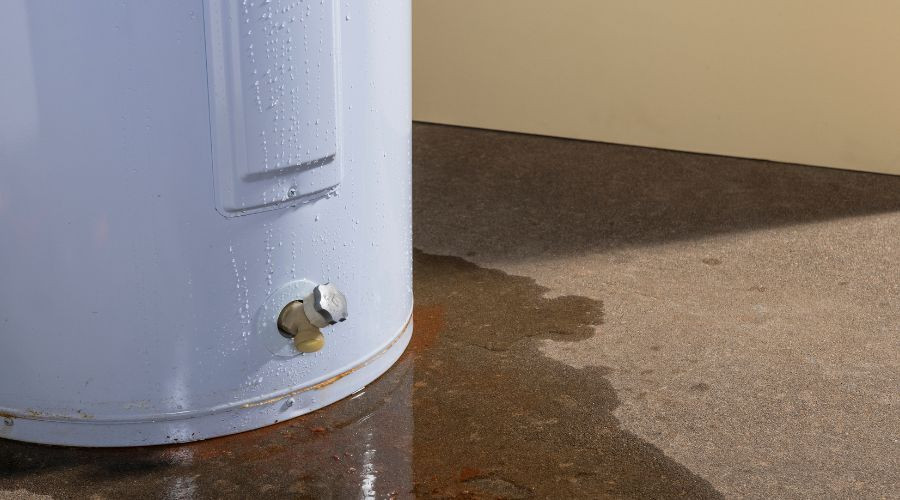
 Water heaters typically show early warning signs before a complete breakdown occurs. Recognizing these signs can prevent costly emergency replacements. A noticeable decline in hot water duration or inconsistent temperature often points to sediment buildup or thermostat failure. These issues typically appear gradually and worsen over time.
 Several mechanical problems often lead to hot water interruptions. One common issue involves a faulty thermocouple, which affects the pilot light’s ability to stay lit. If the pilot assembly or thermocouple becomes damaged, the unit may need relighting repeatedly, indicating the need for service.
)

 Plumbing maintenance helps identify leaks that waste water and drive up utility costs. Even small drips, when left unnoticed, can waste thousands of gallons each year. Professional leak detection methods reveal hidden issues in pipes, joints, and fixtures that might not be visible during everyday use. Addressing these issues early can improve water conservation and lower monthly expenses.
 Scheduled plumbing maintenance minimizes the frequency of major system failures. Annual inspections detect early signs of corrosion, blockages, or pressure issues before significant damage occurs. Addressing these findings in advance avoids the need for emergency service. Consistent check-ups result in fewer surprises and more predictable system performance.
)
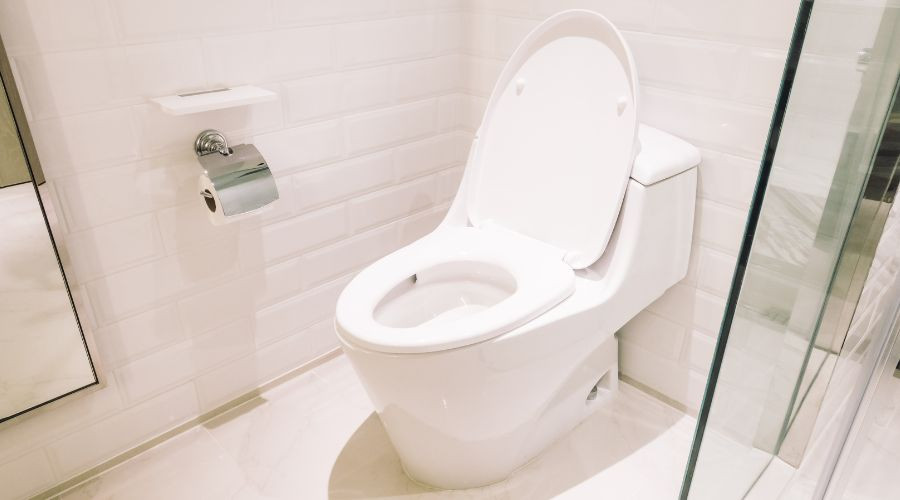
 Early detection of toilet problems can prevent extensive water damage and emergency plumbing calls. Common symptoms often emerge subtly before evolving into major issues.
 Clog prevention begins with
 )