Save Money Without Sacrificing Convenience and Comfort
In an era of rising utility expenses and increasing environmental concerns, the importance of water conservation cannot be overstated. With the average household spending hundreds of dollars annually on water bills, there is a pressing need for efficient strategies to manage and reduce these costs. This blog, brought to you by professional plumbing services, provides practical, straightforward strategies for cutting unnecessary water usage to impact their wallets and the planet positively.
Water Saving Habits
 Incorporating water-saving habits into daily routines is an effective approach to reduce water usage, cut down utility bills, and conserve resources. Simple behavioral changes can lead to significant savings both financially and environmentally.
- Turn Off the Tap While Brushing Teeth or Shaving: A running tap can waste approximately 2-3 gallons of water per minute. By turning off the faucet while brushing teeth or shaving, individuals can save a substantial amount of water over time. This minimal change in routine prevents unnecessary water flow and reduces overall consumption.
- Use the Dishwasher Instead of Hand Washing Dishes: Dishwashers are often more water-efficient than washing dishes by hand, especially when fully loaded. Hand washing with a full sink can use up to 20 gallons of water, whereas a modern dishwasher uses 4 to 6 gallons per cycle. Running full loads maximizes efficiency, decreases water waste, and saves costs and resources.
- Water the Lawn During Cooler Parts of the Day: Watering the yard in the early morning or late evening when temperatures are cooler significantly reduces evaporation rates. Water lost to evaporation during peak sun and heat can be substantial, meaning less water reaches the grassroots. People choose early or late watering to ensure better absorption, conserve water, and promote healthier plant growth.
- Collect Rainwater for Irrigation: Installing a rain barrel to collect rainwater can provide a sustainable water source for lawn and garden irrigation. This practice reduces reliance on municipal water supplies and can significantly cut water bills. Rainwater is naturally soft and chlorine-free, making it an excellent choice for plants.
These straightforward habit changes require little effort but can make a notable difference in reducing water consumption. By adopting these practices, households can conserve this vital resource while enjoying reduced water bills and a more sustainable lifestyle.
Invest in Water-Saving Fixtures
 Investing in water-saving plumbing fixtures is a strategic move for those looking to reduce water consumption and save money on utility bills without compromising comfort or performance. These fixtures are designed to maintain water pressure while minimizing water use, offering both efficiency and convenience.
- Low-Flow Showerheads: Traditional showerheads use approximately 2.5 gallons of water per minute, while modern low-flow showerheads can reduce this to 2 gallons or less without sacrificing water pressure. By replacing old showerheads with low-flow options, individuals can conserve water during daily showers, cutting water usage by nearly 30 percent.
- High-Efficiency Toilets (HET): These toilets use 1.28 gallons per flush or less, compared to older models that use up to 7 gallons. These toilets are designed to function effectively with less water, significantly reducing household water usage. Over time, the water saved by HETs can lead to considerable financial savings on water bills.
- Water-Efficient Faucets: Water-efficient faucets, or faucet aerators, reduce the flow rate without affecting performance. These fixtures can lower water flow to as little as 1.5 gallons per minute from the standard 2.2 gallons, enabling users to decrease water usage in sinks across the home.
- Irrigation Controllers: Installing an irrigation controller enhances the efficiency of existing sprinkler systems by automatically adjusting watering schedules based on weather conditions, soil moisture levels, and plant needs. This technology helps reduce overwatering and ensures outdoor areas receive the appropriate amount of water, conserving resources and lowering water expenses.
By investing in water-saving fixtures and systems, households reduce their environmental footprint and enjoy long-term financial benefits. These modern adaptations effectively maintain a sustainable lifestyle while ensuring comfort and convenience remain uncompromised.
Fix Leaks
Water leaks are a common yet often overlooked source of water wastage and increased utility bills in homes. Being proactive in identifying and fixing leaks can save significant amounts of water and reduce bills, making it an essential practice for any homeowner concerned about efficiency and cost. Here are some common signs of water leaks to watch out for:
- Unexplained Increase in Water Bills: A sudden rise in water bills can be an early sign of a hidden leak. If there's a significant increase without a corresponding change in water usage habits, it's essential to investigate further.
- Damp Spots or Stains on Walls, Ceilings, or Floors: Unexplained wet spots or stains on walls, ceilings, or floors indicate a plumbing leak and should be fixed immediately.
- Mold or Mildew Growth: Mold and mildew thrive in damp environments and can develop in areas with persistent leaks. If mold is found in unexpected places, it could be a sign of a hidden leak, particularly if accompanied by a musty odor.
- Running Water Sounds: If there's the sound of running water when all fixtures are turned off, it could suggest a leak within the plumbing system. This often indicates that water is escaping somewhere it shouldn't be.
- Low Water Pressure: A sudden drop in water pressure might indicate a leak or a blockage in the plumbing system. Leaks can disrupt normal water flow, resulting in reduced pressure at fixtures.
In the presence of these indicators, homeowners should promptly engage a professional plumber. Plumbers have the expertise and equipment to locate and fix leaks accurately, preventing further water wastage and potential damage to the home.
Addressing leaks early not only conserves water but also avoids costly repairs and water bills in the future. Homeowners can maintain an efficient and cost-effective water system by staying vigilant and responsive to signs of leaks.
About Bud's Plumbing & Repair Service
Bud's Plumbing & Repair Service has been around since 1920 and knows the needs of Evansville customers. They provide 24-hour service and a satisfaction guarantee. Contact them today for expert plumbing services in Evansville, IN.
)

 If there are signs like slow drainage, gurgling noises, or bad odors coming from drains, it may be time to call in a professional for drain cleaning. When multiple drains are impacted, it typically suggests a
  The drain snake, or plumber’s snake, is a flexible yet powerful tool that plumbers use to tackle tough clogs hidden deep within pipes. Imagine a metal spring coiling through your plumbing system, breaking up or hooking onto stubborn blockages like grease, hair, or food waste. Once the snake reaches the clog, it either dislodges it or pulls it out, restoring smooth drainage.
)

 Hard water can cause many issues and complications. Water tests are an easy way to determine hardness, but there are several
  Water softeners work to remove the minerals that contribute to water hardness. Calcium and magnesium are minerals that influence hardness and are easily removed in whole-home water softening systems.
 )
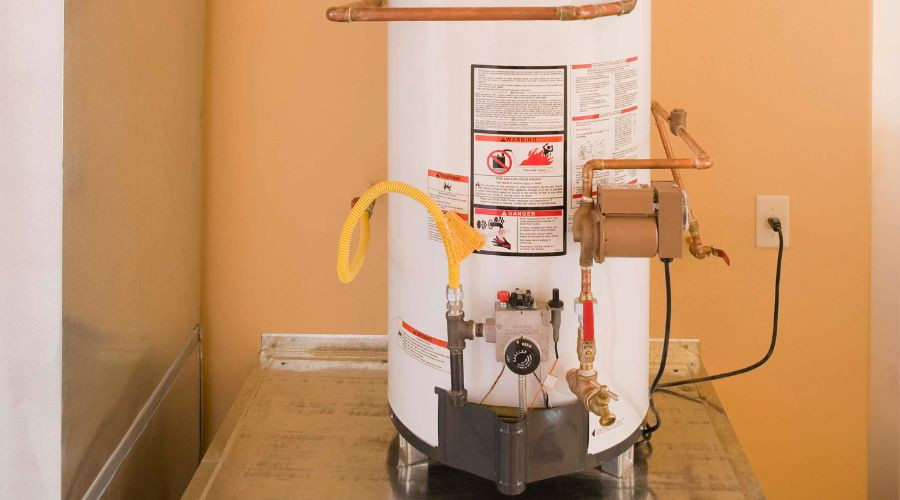
 The first is the most common type of water heater used today: storage tank water heaters that use natural gas as fuel. Natural gas is widely available at a relatively low cost, plus these units heat the water quicker than electric storage tank heaters (more on those later).
  A tankless water heater is the way to go for an even longer-lasting option (although more costly up-front). Instead of constantly maintaining hot water in a large tank, these highly efficient units heat the water when the tap is turned on.
 )
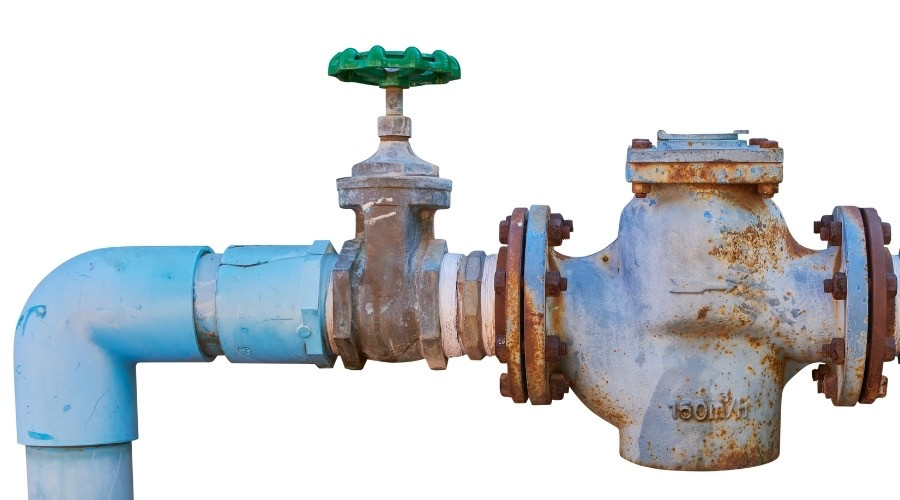
 Backflow occurs anytime water flows backward through piping, such as during pipe bursts or periods of heavy consumption. While this may seem innocuous, the real threat is what is caused during backflow.
  Backflow testing is the process by which plumbers check
 )