Winter-Proof Plumbing: Simple Steps to Prevent Frozen Pipes

Frozen copper pipe with ice buildup and water leaking, illustrating plumbing issues related to winter conditions.

How to Prevent Frozen Pipes This Winter

When temperatures drop, plumbing systems face extra stress, especially in unheated or drafty areas of a building. Frozen pipes can quickly turn into a pipe burst, causing water damage, expensive repairs, and major disruption. This post explains practical ways to protect plumbing during colder weather, offering an overview of how to insulate vulnerable pipes, use indoor heat wisely, and winterize every outdoor faucet to help prevent freezing pipes and related damage.

Insulate the Pipes

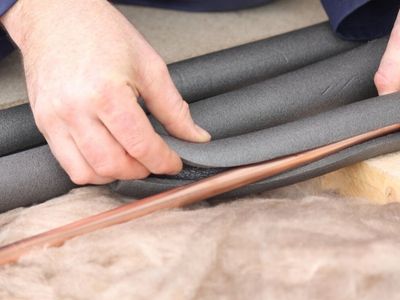
Hand applying foam insulation to a copper pipe, demonstrating effective pipe insulation techniques to prevent frozen pipes during winter.One of the most effective defenses against frozen pipes is proper pipe insulation. Pipes that run through unconditioned spaces—such as attics, crawl spaces, unfinished basements, or garages—are especially vulnerable to freezing. Cold air moves more freely in these areas, and water inside unprotected pipes can freeze, expand, and cause a pipe burst before anyone notices a problem.

Adding pipe insulation around exposed lines helps slow heat loss from the water inside. Foam sleeves, fiberglass wraps, or specialized insulating tape can be used to insulate pipes of different sizes and materials. Particular attention should be paid to pipes along exterior walls, near windows, doors, or vents, and any sections that have frozen in past winters. Taking time to insulate pipes in these locations significantly reduces the likelihood of frozen pipes and the risk of a sudden burst pipe.

Pipe insulation offers additional benefits as well. Insulated hot-water lines generally keep water warmer between the heater and fixtures, reducing wait times for warm water and limiting heat loss. For homes in regions with repeated cold snaps, a focused effort to insulate pipes is a cost-effective step that improves both comfort and protection.

Keep the Heat on and Open Cabinets

Under-sink cabinet with plumbing pipes, waste container, and exposed plumbing lines, illustrating the importance of opening cabinets to prevent frozen pipes during winter.Indoor heating plays a crucial role in preventing freezing pipes. Maintaining a consistent thermostat setting during cold periods helps keep overall indoor temperatures above freezing, including in rooms and corners that tend to run cooler. Allowing indoor temperatures to drop too low overnight or during absences can increase the chance that water inside pipes will freeze, especially in marginal areas such as over-garage rooms, basements, and additions.

Opening cabinet doors that conceal plumbing adds another layer of protection. Cabinets under kitchen and bathroom sinks often contain pipes that run along exterior walls. When doors stay closed, cold air can become trapped inside the cabinet, lowering pipe temperatures faster than the surrounding room. Opening these doors allows warm air from the living space to circulate through the pipes, helping to prevent freezing.

Combining steady heating with open cabinets and good pipe insulation offers multiple safeguards against frozen pipes. Regular heating system maintenance further supports these efforts by helping ensure that equipment runs reliably during extreme cold, when the consequences of a pipe burst can be most severe.

Winterize Outdoor Faucets

Exterior plumbing components face some of the harshest conditions in winter, making each outdoor faucet a priority for cold-weather preparation. Water trapped in exterior lines or connected hoses can freeze and expand, placing pressure on both the fixture and the interior piping that feeds it. Proper winterization greatly reduces this risk.

The process begins with disconnecting any garden hoses or attachments from each outdoor faucet. Hoses should be fully drained and stored indoors so that leftover water cannot freeze and send pressure back into supply lines. Next, the indoor shutoff valve controlling water to each outdoor faucet should be turned off, if one is available.

After the supply is shut off, open the outdoor faucet to drain any remaining water from the line. Allowing the water to run until it stops helps ensure that little or no liquid remains to freeze inside the pipe. Leaving the faucet slightly open afterward allows for minor expansion if a small amount of water remains. As a final step, an insulating cover should be placed over each outdoor faucet to shield it from cold air and wind.

When hoses are disconnected and drained, interior shutoff valves are closed, lines are emptied, and each outdoor faucet is protected with a cover, the chances of winter-related pipe damage drop dramatically. These simple steps, combined with efforts to insulate pipes and maintain indoor warmth, form a strong defense against freezing pipes, leaks, and mid-winter plumbing emergencies.

About Bud’s Plumbing & Repair Service

Bud’s Plumbing & Repair Service is a top-rated plumbing company in Evansville with a history of excellent service dating back to 1920. With great communication and 24-hour service from their trusted technicians, customer satisfaction is guaranteed. Call them today to schedule burst pipe repair in Evansville, IN.

You Can Prevent Frozen Pipes This Winter

Gray foam insulation tubes for plumbing and construction at Bud's Plumbing & Repair Service.

Professional Tips for Preparing Plumbing for Winter Weather

Frozen pipes can substantially threaten home plumbing systems during the cold winter months of the year. Homeowners can take steps to insulate and protect their plumbing from freezing pipes in the fall. In this blog post, read tips from plumbing professionals on how to get home plumbing ready for winter.

Home plumbing systems are a network of pipes that connect plumbing fixtures to the main water line. Much of the home's plumbing is located under the foundation of the home, under the lawn, in the basement, or under the driveway. When frost, snow, and below-freezing temperatures hit in the winter, it can cause the water in underground pipes to freeze over.  

Why Is Pipes Freezing Bad?Frozen pipe with icicles, illustrating the risk of plumbing issues during winter months, as discussed in Bud's Plumbing & Repair Service blog on preventing frozen pipes.

Frozen pipes are dangerous to homeowners and their property. Water expands when it freezes, which is why frozen pipes can cause plumbing issues. Water can rupture a pipe when it expands inside the plumbing system. 

Bursting pipes can flood the home and cause thousands of dollars in property damage. Water damage from a burst pipe can be expensive and time-consuming to repair. It could require invasive repairs that disrupt the home's foundation to repair hidden pipe leaks under the house. 

A burst pipe that is located underground can go unnoticed for months. The leaky or burst pipe moisture can cause toxic mold and mildew to thrive inside the home. When homeowners notice a hidden leak from a burst pipe, significant property damage may have already occurred.

Ice can also reduce water pressure by narrowing the passageway of the water in the pipes, making it more difficult to complete daily tasks like cleaning and bathing. Reduced efficiency of the plumbing system due to frozen pipes can also cost homeowners by causing a spike in utility bills. 

Person installing pipe insulation around copper pipes, highlighting preventive measures against frozen pipes during winter.

How Pipe Insulation Prevents Burst Pipes

One of the best ways homeowners can ensure that their pipes do not freeze this winter is to invest in pipe insulation. There are a variety of different types of pipe insulation that homeowners can choose from. A local professional plumber can help recommend personalized solutions for which type of pipe covering is best for the home. 

Insulation adds additional layers of protection to maintain a safe and consistent temperature. Insulating the outside of the pipes can be beneficial for preventing frozen pipes in the winter. It is usually only necessary to insulate the pipes at the highest risk for freezing, such as exposed pipes in the basement. 

A popular way to prepare home plumbing for winter is to apply foam pipe insulation to the outside of any pipes that are at risk of freezing. Foam pipe insulation is easy to use and can save homeowners a ton of money by preventing frozen pipes and improving efficiency. Insulated pipes help keep hot water warm as it travels through the pipes, so homeowners spend less money on their water heater bills. 

Other Ways to Prevent Frozen Pipes

The pipes most susceptible to freezing over in the winter are located outdoors. Outdoor plumbing fixtures like garden hoses, fountains, and pools are exposed to outdoor conditions and are more likely to freeze over than indoor plumbing. Shutting off the water supply for outdoor plumbing fixtures like sprinklers and pools can help to prevent frozen pipes.

In addition to insulating the pipes with foam and other pipe coverings, homeowners can keep their plumbing safe by following these tips from professional plumbers. One should drain outdoor plumbing fixtures such as pools and sprinkler systems of water before freezing weather hits. If there is a water line in the garage, the door should be closed to prevent the temperature from dropping. 

About Bud's Plumbing & Repair Service

Bud's Plumbing & Repair Service is proud to serve its community with outstanding plumbing services at affordable prices. Homeowners can count on Bud's Plumbing & Repair Service to help in a winter plumbing emergency. Call them today to schedule an appointment for plumbing maintenance, installation, or repair!

How Homeowners Can Prevent Frozen Pipes at Home This Winter

Close-up of a pipe with clear water flowing, relevant to Bud's Plumbing & Repair Service.

Tips for Protecting Your Plumbing this Winter Season

When the weather starts to dip below freezing, many homeowners’ thoughts turn to their HVAC to keep warm inside their homes. However, while you may be comfortable, that comfort can easily be destroyed by the dangers associated with frozen pipes.

Low temperatures can be devastating to your plumbing, and for you both financially and emotionally. Knowing a few simple tips can save the heartache of having an emergency situation happen in the dead of the winter.

How Heat Tape Can Prevent Frozen Pipes

heat tapeOne way to help prevent frozen pipes is by using heat tape in the home. However, this is actually not a type of tape and is, instead, an electric cord. This cord is placed on the inside of the home’s pipes and keeps them warm from the inside so that they don’t freeze.

They come in two varieties - self-regulating and non-regulating. Some plumbers may even offer a heat tape kit. Due to the risk of fire, heat tape should always be installed by a trained plumber. In addition, it is important to take the pipe material into account.

Heat tape does get warm enough that it may be able to melt through plastic pipes. It also can be an expensive way to keep the home from having frozen pipes, as the typical electric cost can add up quickly. This cost is usually around $40 a month for a medium-sized home.

Heat tape should also be used in combination with insulation for further insurance against frozen pipes.

Pipe Insulation To Stop Frozen Pipes

Insulating water pipes can really help prevent frozen pipes, as well as potentially lower a home’s electricity bill by reducing heat loss. The pipes that need insulating will vary depending on where they are located in the home and how much direct exposure they will have.

Insulation will be needed most on pipes that are located in unheated areas of the home. Specifically, those in crawl spaces, exterior walls, and garages that are not heated. Both the hot water and cold water pipes should be insulated, as both can freeze equally.

pipe insulation

There are a few strategies and insulation types that are beneficial in this situation. Pipe wraps are probably the most simple. These are all radiated with an R, for how resistant they are to airflow. Generally, a pipe wrap with an R-4 rating is sufficient. Foam pipe sleeves are also helpful, and even easier to install. These steps are thoroughly important in order to prevent repiping services from frozen pipes. 

A Slow Drip Can Help Prevent Frozen Pipes

drop of waterAlthough many homeowners are already aware of this helpful tip to prevent frozen pipes, not everyone is. When the temperatures start to drop below freezing, it is advised to run a slow drip of water through the water cycle constantly from the faucets.

This helps reduce the pressure in the pipes, and the continual stream of water stops the pipes from freezing. In the event that the pipes freeze anyway, running that stream of water can also prevent a rupture. This is especially important in homes that have pipes exposed to the outdoors more, as they will also get colder.

Make sure that the water running is cold and not hot. Too big of a temperature difference can actually increase the risk of pipe rupture, as well as add money to the home’s electric bill.

About Bud’s Plumbing & Repair Service

Serving the Evansville, Indiana area since 1920, Bud’s Plumbing & Repair Service continues to promise honest, quality workmanship. They are the winner of multiple awards for their quality workmanship, and their trusted, professional staff undergoes weekly training to maintain their stellar level of service.